
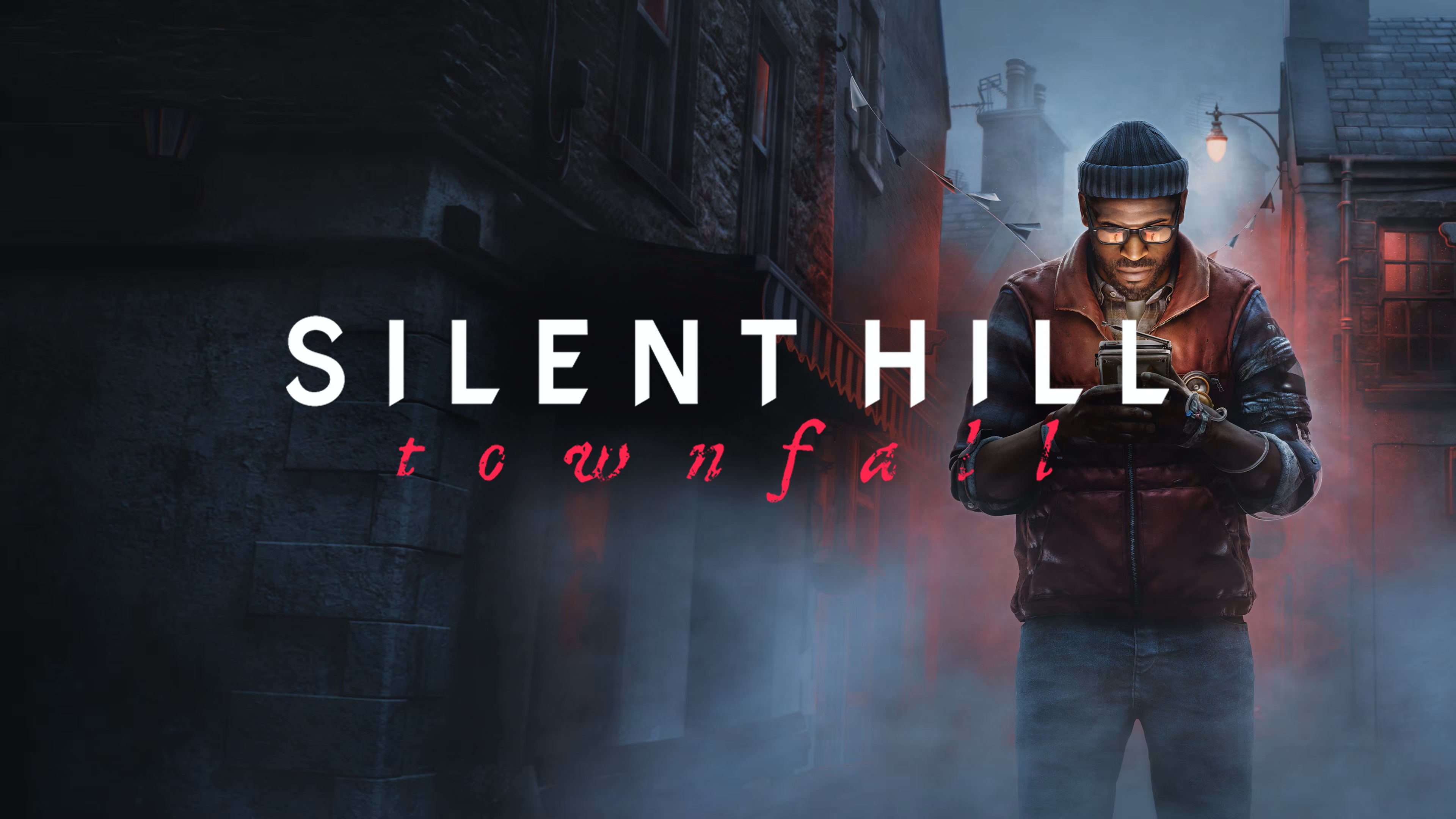


For years, Silent Hill was inseparable from a particular image: an American town buried under fog, empty streets disappearing into the distance and ordinary places slowly becoming something much worse. Even when individual games changed protagonists and stories, returning to that familiar setting was part of returning to Silent Hill.
Silent Hill: Townfall, launching today, September 24, takes a very different route. Screen Burn moves the story to St. Amelia, an isolated fishing community on a Scottish island in 1996, replacing American streets with cold coastlines, stone buildings and the particular loneliness of a place surrounded by sea. Yet despite travelling thousands of miles from the setting that gave the series its name, Townfall rarely feels disconnected from it.
That's because Silent Hill has increasingly become less about a specific collection of streets and more about what happens when a place starts reflecting the people trapped inside it.
Townfall follows Simon Ordell, who arrives on St. Amelia with gaps in his memory and quickly discovers that the island has problems extending far beyond his own missing past. What begins as a personal mystery gradually becomes connected to a tragedy involving the wider community.
The Scottish setting gives Screen Burn plenty of opportunities to establish its own identity. St. Amelia isn't simply Silent Hill with different architecture. Its fishing community, isolated coastline and distinctly British 1990s technology shape how the story looks and how the player interacts with it.
That distinction matters after decades of horror games borrowing the visual language of Silent Hill. Townfall could easily have reproduced foggy streets, rusty corridors and abandoned hospitals and trusted familiarity to do the rest. Instead, it asks what the series looks like when those recognizable ideas are placed somewhere with its own history.
What hasn't changed is the source of the nightmare. Townfall remains interested in guilt, memory and the uncomfortable distance between what its characters remember and what actually happened.
Simon isn't alone in carrying that weight. Characters including Zoe and Richard bring their own secrets and regrets into the story, gradually connecting individual trauma with the history of St. Amelia itself. The island becomes disturbing not simply because monsters wander through it, but because the place has accumulated consequences that nobody has properly confronted.
That's where Townfall feels closest to the strongest entries in the series. Silent Hill has rarely been frightening because something ugly is standing at the end of a corridor. The monsters work because the corridor already means something to the person walking through it.
The move to first person reinforces that approach. Instead of watching a character move through unsettling spaces from a distance, Townfall places the player directly inside them. Rooms become tighter, encounters more immediate and environmental details harder to ignore.
Screen Burn also makes good use of the game's 1996 setting. Old televisions, radios and other electronics aren't simply nostalgic decoration. They become tools for puzzles and storytelling, allowing the technology of the period to contribute directly to the way St. Amelia reveals its secrets.
Not every part of that design works equally well. Reviews have pointed to inconsistent stealth and puzzles that occasionally cross the line from mysterious into unnecessarily unclear. An enemy that can kill Simon immediately after detecting him can also turn carefully constructed tension into repeated attempts surprisingly quickly.
Those frustrations matter, but they don't undermine the larger experiment. Townfall's strongest ideas come from understanding which parts of Silent Hill can change and which ones need to remain.
This shift didn't begin with Townfall. Silent Hill f already demonstrated how dramatically the series could change by moving its horror to Japan while retaining its fascination with trauma, repression and worlds shaped by personal suffering. Townfall pushes that idea in another direction.
A remote Scottish island doesn't look like the Silent Hill people remember from the early games, and it shouldn't. The more interesting possibility for the series is allowing different developers to take its psychological foundations into places with their own cultures, histories and fears.
That gives Silent Hill something more valuable than another recreation of familiar streets. It gives the series room to evolve without abandoning the ideas that made those streets memorable in the first place.
Townfall may take place far from the foggy American town where everything started, but St. Amelia understands the same uncomfortable principle: sometimes the worst place to be trapped isn't a town. It's inside a memory you would rather leave buried.

Kommentare
Füllen Sie das obige Formular aus, um einen Kommentar zu hinterlassen