
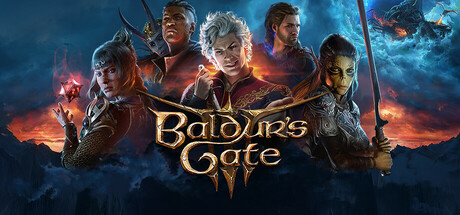


It is rare for a dense, turn-based CRPG to compete with the sales figures of mainstream shooters or open-world action games, but Larian Studios has officially shattered that ceiling. New data confirms that Baldur’s Gate 3 has surpassed 20 million copies sold, a staggering milestone that places it in the commercial stratosphere of titans like Elden Ring and Cyberpunk 2077. However, for CEO Swen Vincke and his team, this victory isn’t a signal to rest—it’s the fuel for an even more ambitious, admittedly "super bold" future that pointedly leaves Dungeons & Dragons behind.
While the industry often pivots to safe sequels after a hit of this magnitude, Larian is taking a sharper turn. Swen Vincke recently described Baldur’s Gate 3 and its predecessor, Divinity: Original Sin 2, as merely the "blueprint" for what comes next. The studio is currently working on two new RPGs, neither of which will bear the Baldur’s Gate name.
Vincke claims the upcoming project is the "natural evolution" of the studio's history, aimed at eclipsing everything they have done so far. This is a massive claim given the sheer systemic depth and narrative sprawl of their latest release. The implication here is significant: Larian believes they were held back by the constraints of the 5th Edition ruleset or the Forgotten Realms setting. By returning to their own IP (or forging a new one), they seem poised to double down on the systemic interactivity that defines their style—likely expanding on the elemental surfaces, physics-based combat, and narrative reactivity that licensed IPs might otherwise restrict.
Perhaps the most defining aspect of Larian’s forward momentum is its philosophical stance on development. In a news cycle dominated by studios scrambling to integrate generative AI, Larian has drawn a line in the sand. The studio recently confirmed a strict stance against using AI for creative output, emphasizing that the "soul" of their NPCs and writing comes from human craftsmanship.
This isn't just a PR soundbite; it’s a business strategy validated by that 20 million sales figure. Players flocked to Baldur’s Gate 3 because of its chaotic, human tactility—the feeling that a Dungeon Master was reacting to your specific absurdity. By rejecting AI, Larian is betting that the premium RPG market wants distinct, handcrafted experiences rather than algorithmically generated content. It frames their next game not just as a technical upgrade, but as an artisanal product in an increasingly automated marketplace.
However, scaling to this level brings scrutiny that a formerly niche AA developer might escape. The studio is currently navigating the complex reality of being a massive industry leader, facing recent allegations regarding hiring practices and internal culture. While the sales are celebratory, the twisted reality of rapid expansion often brings growing pains. As Larian moves toward this "super bold" next title, the stability of its internal culture will be just as critical as its design document.
The 20 million copies sold confirm that Larian has successfully mainstreamed the CRPG. But the real news isn't the sales; it's the refusal to stagnate. By walking away from the Baldur’s Gate license to build something "bigger" based on their own blueprint, and by rejecting the industry's AI gold rush, Larian is positioning itself as the last guardian of the massive, handcrafted RPG. If Baldur's Gate 3 was the warm-up, the industry should be terrified of the main event.




Kommentare
Füllen Sie das obige Formular aus, um einen Kommentar zu hinterlassen