
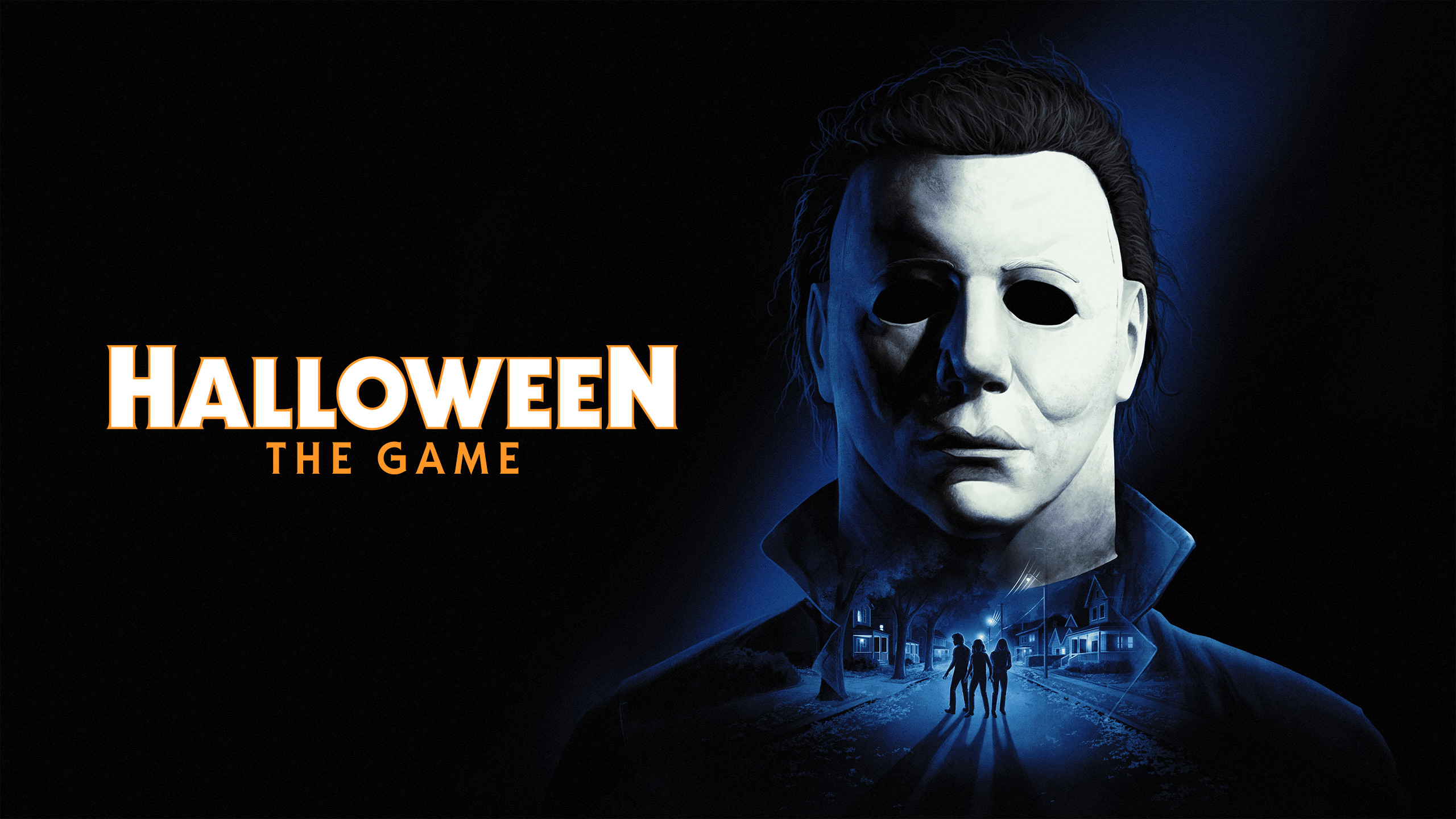


Michael Myers seems almost too perfect for an asymmetrical horror game. Put one player behind the mask, give four others a neighborhood to escape from, and let one of cinema's most famous killers do what he has been doing since 1978.
Halloween: The Game launches on September 8 with exactly that fantasy at its center. But the first reviews reveal an interesting problem. Michael works brilliantly when you're afraid of him. Turning him into someone who remains fun to control match after match is considerably harder.
In the original Halloween, Michael doesn't need to sprint across Haddonfield. He appears behind hedges, watches from across the street and somehow reaches places before his victims despite rarely looking like he's in a hurry.
That works in a movie because nobody needs to explain how he got there. A multiplayer game doesn't have that luxury. Four players can split up, complete objectives and cover large distances, while Michael still needs a way to keep pressure on everyone.
IllFonic's solution is Shape Jump. Michael can move through darkness in a supernatural form and quickly reposition himself around the map. Mechanically, it solves an obvious problem and allows him to suddenly appear where survivors don't expect him. It also exposes the strange challenge of adapting the character. The more tools Michael receives to make him enjoyable to control, the more the game has to explain abilities that the films deliberately left mysterious.
Once Michael finds someone, Halloween understands the appeal immediately. Survivors aren't supposed to stand their ground and trade blows with him. His presence forces players to run, hide, improvise and decide whether helping somebody else is worth putting themselves in danger.
Playing Michael reverses that tension. Instead of escaping the Shape, you become the reason everyone else is panicking. Hunting several players at once creates the kind of stories asymmetrical horror games are built around: someone makes noise, another survivor attempts a rescue, and suddenly a careful plan collapses because Michael appears at exactly the wrong moment.
The problem is repetition. Some reviews suggest executions and encounters can start feeling familiar, while awkward controls and technical roughness occasionally interfere with the fantasy of being an unstoppable killer. Michael Myers should feel terrifying. Fighting the controls probably shouldn't.
The other side of the equation is making the four survivors interesting enough that playing Michael isn't automatically the obvious choice.
They have objectives to complete while avoiding him, and the maps give them space to hide, move between buildings and work together. Haddonfield has also been expanded beyond the streets immediately recognizable from the film, giving matches enough room to create different routes and encounters.
NPCs and police add another layer to the chaos. Survivors aren't simply waiting for an exit to open while Michael circles the map. They have ways to interact with the situation, creating opportunities for the killer to interrupt whatever plan they thought was working.
When everything comes together, this appears to be where Halloween is at its best: not recreating a specific scene from the movie, but producing a new slasher story involving actual players.
That may ultimately be Halloween's most fascinating problem. Michael Myers was created to feel unfair. He doesn't follow normal rules, doesn't explain himself and certainly wasn't designed with multiplayer balance in mind.
A game has to do all of those things for him. Michael needs strengths, limitations, counters and abilities that players can understand. Survivors need enough options to make escaping possible, but not so many that the Shape stops being frightening.
The early reviews suggest IllFonic hasn't found the perfect balance yet. There is jank, repetition and plenty that could improve after launch. But there is also a reason some players are already enjoying the hunt despite those problems.
Halloween proves that Michael Myers fits naturally into an asymmetrical horror game. It also proves that being afraid of the Shape is much simpler than figuring out how the Shape should actually play.

Kommentare
Füllen Sie das obige Formular aus, um einen Kommentar zu hinterlassen