
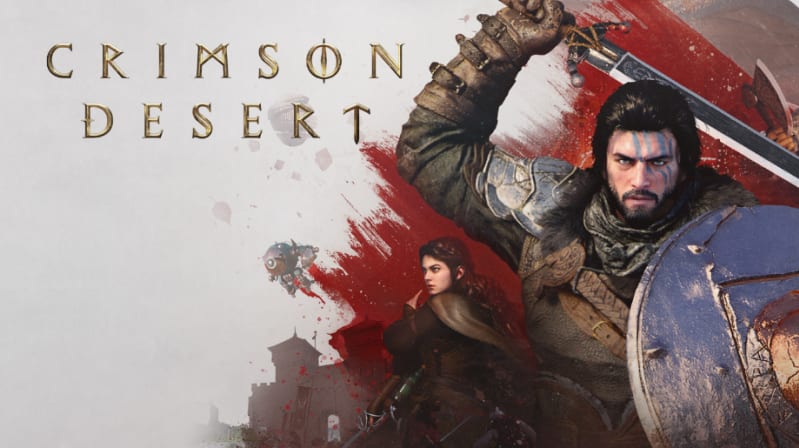


After years of skepticism surrounding its jaw-dropping trailers, Pearl Abyss has finally delivered Crimson Desert to the critical gauntlet. The verdict arriving from the first wave of hands-on impressions and reviews is as complex as the game’s own intricate systems. This isn’t just another open-world RPG; it is a maximalist experiment that pushes the boundaries of player agency and hardware limits alike. While it arrives with the inevitable friction of a project this ambitious, the consensus suggests that Pearl Abyss has successfully transitioned from the DNA of Black Desert into a prestige single-player experience that feels remarkably distinct from its contemporaries.
The standout feature across all reports is a combat system that feels genuinely transformative. Moving away from the floaty, often weightless encounters of many modern RPGs, Crimson Desert leans heavily into physics-based interactions. Critics have highlighted a surprising emphasis on wrestling and environmental awareness; protagonist Kliff doesn't just swing a sword, he tackles enemies into structures and utilizes the terrain in a way that feels tactile and heavy. This "everything-and-the-kitchen-sink" approach to battle creates a high skill ceiling that rewards experimentation. However, this complexity is a double-edged sword. Some players may find the sheer volume of combos and contextual moves overwhelming, but for the savvy audience, it represents a refreshing departure from the "dodge-roll-and-poke" meta that has dominated the genre since the rise of the Soulslike.
In an era where AAA games are often criticized for excessive hand-holding, Crimson Desert is being noted for its refusal to guide the player by the nose. Early impressions point to an open world that lacks the ubiquitous "yellow paint" or glaring waypoints that define many Western titles. This design choice forces players to actually look at the environment, though it comes with its own set of frustrations. The world of Pywel is described as incredibly dense—perhaps even "too much" at times—packed with intricate details, interactive NPCs, and even the ability to pet (and pick up) various animals. This density creates an unforgettable sense of place, but it also means the game demands a high level of patience and curiosity. It is a world meant for wandering, not just checking boxes on a map.
Technically, Crimson Desert is a beast that demands much from modern hardware. Early performance analysis reveals a game that leverages high-end CPUs, with Raptor Lake and X3D architectures showing strong results, though not without some optimization quirks. This technical ambition manifests in stunning visuals and a deep level of environmental interactivity, but it isn't without its casualties. Reports of significant bugs and performance hitches suggest that the game is pushing current-gen consoles and PCs to their absolute breaking point. While these technical hurdles are common in games of this scale, they are a vital consideration for players who don't possess top-tier rigs. The trade-off for this visual fidelity is a world that feels more reactive and "alive" than almost anything else on the market, but it clearly requires further polish to reach its full potential.
Crimson Desert is a rare breed of game that manages to feel both familiar and entirely alien. It takes the bones of a traditional mercenary story and grafts them onto a technical showcase that defies easy categorization. By prioritizing complex physics and player-driven exploration over streamlined accessibility, Pearl Abyss has created something that will likely polarize the mainstream while becoming a cult obsession for those who crave depth. It is a messy, beautiful, and relentlessly ambitious title that marks a significant milestone for Korean development on the global stage.
Comments
Fill out the form above to leave a comment