
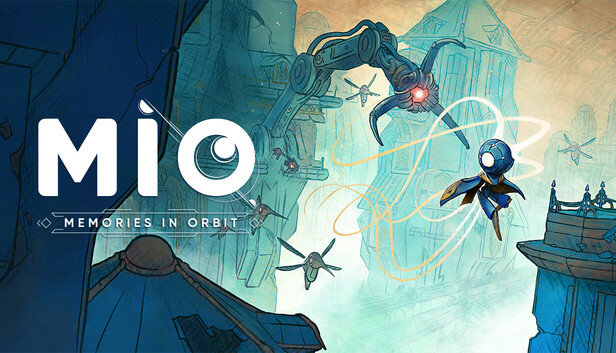


The embargo has lifted on Mio: Memories in Orbit, and the consensus confirms what early trailers promised: this is one of the most visually arresting Metroidvanias to hit the market in years. Developed by Douze Dixièmes and published by Focus Entertainment, the game launched today across all major platforms, including a Day One release on Xbox Game Pass. While critics are nearly unanimous in praising its "watercolor" art style and fluid movement, the reviews also paint a picture of a game that refuses to hold the player’s hand—sometimes to a fault.
The most striking element of Mio isn't just that it looks like a moving painting; it's the philosophy behind that look. In a revealing interview with XboxEra, Executive Producer Sarah Hourcade shed light on the studio's unconventional makeup. The core team at Douze Dixièmes includes roughly 15 people from backgrounds as diverse as building construction, landscape architecture, and chemistry. This "outsider" perspective explains the game's obsession with "The Vessel"—the decaying spaceship where the game takes place.
This architectural influence is palpable in how the world is structured. The game’s "Metropolis" and "Haven" biomes aren't just video game levels; they are dense, interconnected ecosystems. However, this design philosophy comes with friction. Hey Poor Player’s review highlighted that the game’s introduction is intentionally vague, dropping players into this massive open world without a map. While this isolation fits the narrative of a lone android waking up in a dying ship, it has proven polarizing. Players accustomed to objective markers might find the early hours daunting, as basic navigation tools are treated as upgrades rather than default features.
This hands-off approach extends to the game's progression puzzles. A new guide from DualShockers detailing the "Bell Tower Visitor Pass" illustrates just how cryptic Mio can be. Accessing the upper reaches of "Haven" isn't a matter of simply following a waypoint; it requires a multi-step scavenger hunt involving the "Hairpin" upgrade (a grappling hook mechanic) and specific weapon-bounce techniques to traverse toxic rivers.
This complexity is a double-edged sword. On one hand, it rewards deep exploration and mastery of the movement mechanics, which Hey Poor Player described as "visceral" and immediately satisfying. On the other, it creates bottlenecks. The game demands you understand its language—using bouncing pads, executing mid-air grapples, and finding "hard-to-reach documents"—to piece together both the story and the path forward. It’s a design choice that leans heavily on the Tunic and Hollow Knight school of "figure it out yourself," which will delight genre purists but may alienate those looking for a breezier experience.
If there is a universal critique emerging from today’s coverage, it lies in the combat. TechRadar’s analysis notes that while the platforming enters a "joyous flow state," the combat can feel repetitive. You are largely limited to a three-hit combo string, and while "Nacre" (the game's currency) allows for some build customization, it lacks the depth found in its contemporaries. The "Souls-like" mechanic of losing resources upon death is present, but some critics feel it adds frustration without necessarily enhancing the tactical loop.
Ultimately, Mio: Memories in Orbit appears to be a triumph of atmosphere and traversal. It creates a haunting, "hard-to-forget" world that asks you to get lost in its watercolor corridors. It may not reinvent the combat wheel, but for players who want to explore a world designed by architects rather than just level designers, Mio is a journey worth taking.


Comments
Fill out the form above to leave a comment