
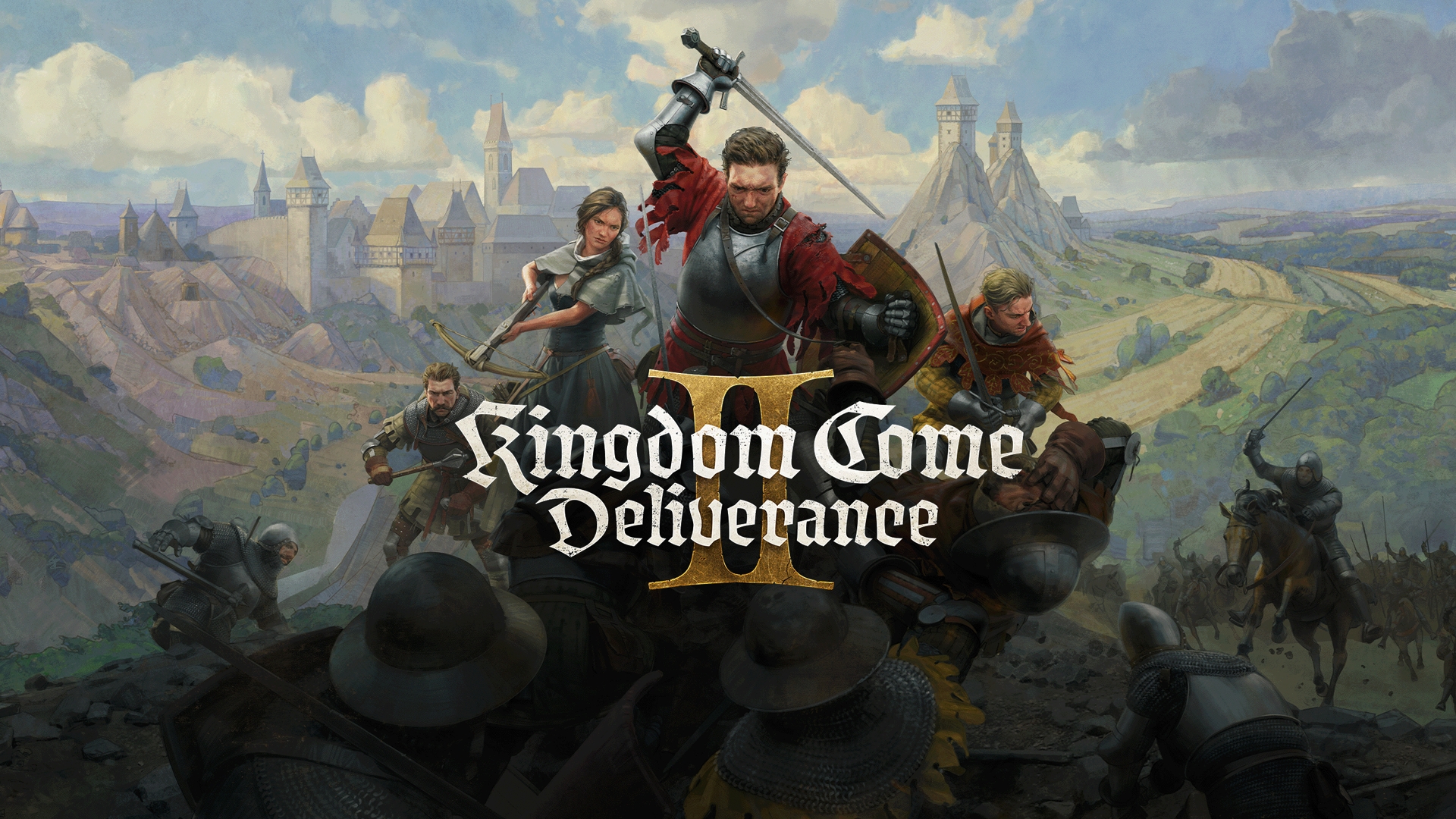


Warhorse Studios’ action‑RPG Kingdom Come: Deliverance 2 offers players a sprawling, richly detailed recreation of medieval Bohemia. But amidst the bustling towns and sweeping landscapes, you’ll notice one striking omission: children. Executive producer Martin Klíma revealed at Prague Comic‑Con that the decision to exclude children stemmed directly from the modding legacy of Bethesda’s Skyrim.
Klíma explained that children were initially intended to enhance the game's realism and visual diversity. However, the team quickly reconsidered, citing Skyrim’s modding scene, where player-created modifications allow for violence against otherwise protected child NPCs. The popularity of videos showcasing these mods, boasting millions of views, highlighted a disturbing trend of virtual child endangerment that Warhorse was keen to avoid.
To preempt any potential PR nightmares or uncomfortable gameplay footage, Warhorse opted to populate their meticulously crafted world solely with adults, leaving the children to history books (or perhaps, a future DLC?).
The absence of children raises interesting questions about the portrayal of innocence and morality in video games, echoing philosophical debates dating back centuries. Deliverance 2, however, neatly sidesteps these complexities. No children means no ethical dilemmas, no digital infanticide, and no need to wrestle with the implications of virtual harm.
Player reactions have been predictably mixed. Some purists criticize the omission as a break from historical accuracy, while others praise Warhorse’s proactive approach to avoiding the controversies that have plagued other open-world RPGs. Regardless of player sentiment, Deliverance 2 delivers a compelling medieval experience, albeit one sanitized for sensitive audiences.
Warhorse's decision underscores a growing challenge for developers of open-world games: how to reconcile the desire for realism with the unpredictable nature of player agency. In the case of Kingdom Come: Deliverance 2, the solution was simple: leave the children out of it entirely. This choice, while perhaps controversial, highlights the ongoing tension between creative vision and the potential for player misuse within interactive worlds.


Comments
Fill out the form above to leave a comment