


The first Control managed to fit an extraordinary amount of nonsense inside one government building. The Oldest House contained shifting corridors, alternate dimensions, possessed office workers and household objects capable of causing national emergencies. Somehow, the Federal Bureau of Control still found time to produce paperwork about all of it.
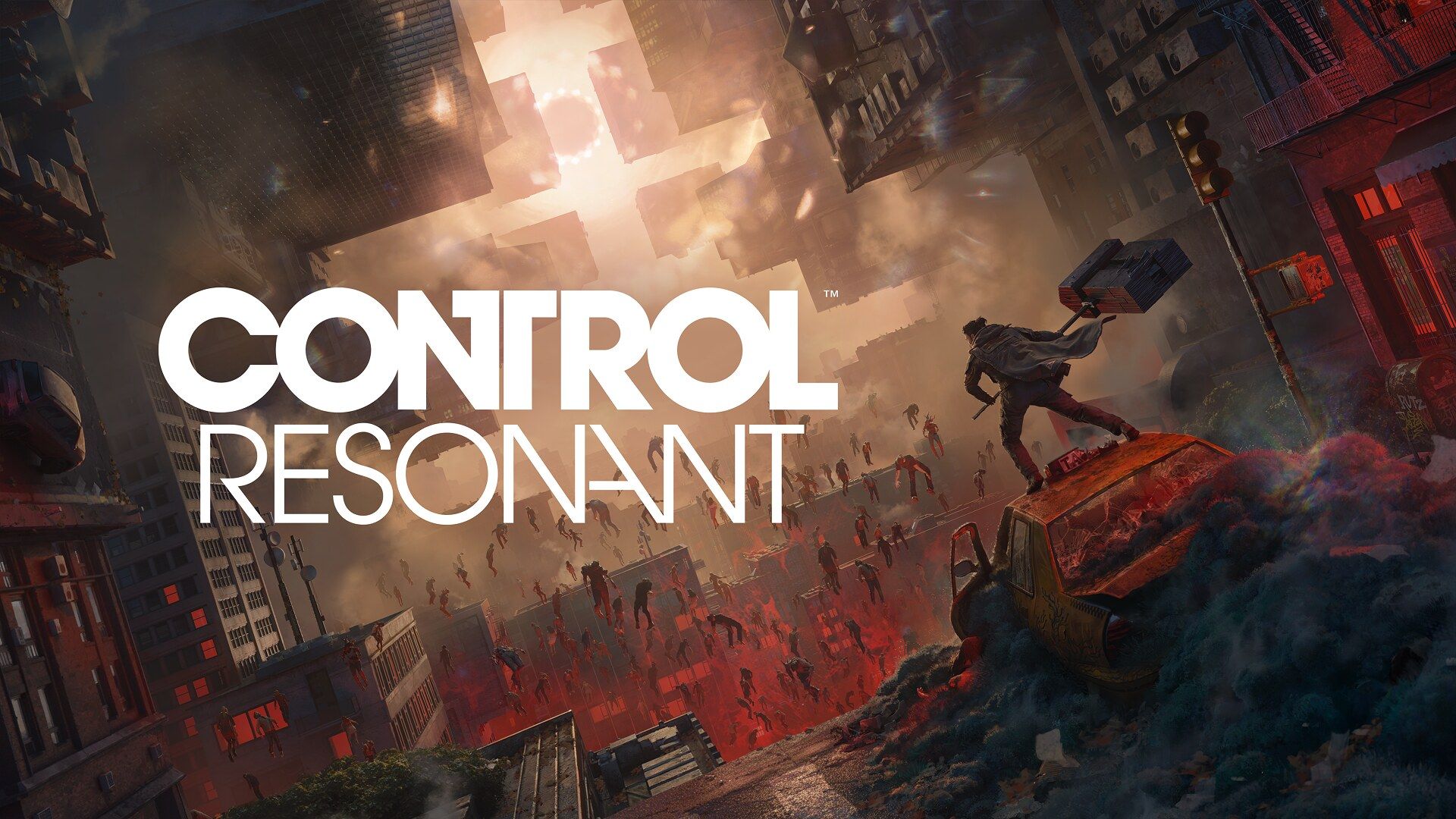
Control Resonant, launching today, September 24, has a more ambitious problem: the weirdness has escaped the office. Remedy moves the sequel into Manhattan, replaces Jesse Faden with her brother Dylan, pushes melee combat to the foreground and adds much deeper RPG progression. Almost everything surrounding Control has become bigger. The interesting question is whether the strange atmosphere that made the Oldest House memorable can survive once it has an entire city to fill.
The setting of Control did a remarkable amount of work. A secret government agency investigating paranormal phenomena was already a good premise, but trapping that agency inside a building that regularly ignored architecture made every corridor suspicious.
The scale helped. Remedy could place something bizarre around a corner and let players discover it without needing to justify why an entire district existed around it. The Oldest House felt dense because offices, laboratories and impossible spaces were stacked almost on top of one another.
Resonant trades that density for freedom. Manhattan is divided into large interconnected areas with interiors, side stories and locations that open as Dylan gains new abilities. It's not simply a traditional open world, but there is undeniably more ground to cover, and that creates a different challenge. Making one haunted office strange is relatively easy. Making Manhattan consistently strange requires considerably more paranormal paperwork.
The setting isn't the only major departure. Dylan is a very different protagonist from Jesse, and his combat reflects that. Resonant puts much more emphasis on melee attacks, while a larger collection of abilities, upgrades and equipment pushes the sequel further toward action RPG territory.
Even exploration has become more elaborate. Dylan can dash, glide and eventually manipulate gravity, allowing him to use Manhattan's vertical architecture in ways Jesse never could. Individual areas also have their own progression tied to exploration, missions and major encounters.
Taken separately, none of these changes sounds particularly dangerous. Together, however, they make Resonant a surprisingly substantial reinvention. Remedy could have made another Control by giving Jesse a new wing of the Oldest House and inventing several more terrible things for the FBC to accidentally store in a basement. Instead, the studio chose the considerably harder option of changing almost everything around the series' identity.
The reassuring part is that Resonant hasn't suddenly become serious just because New York is in danger. The FBC remains an organization where impossible phenomena collide with the tone of an internal HR memo. Paranormal disasters are studied, classified and discussed with bureaucratic confidence even when nobody involved appears to have the slightest idea what is happening. Among the threats Dylan encounters is a distorted bus, because apparently supernatural evil also understands the importance of public transport.
One of the game's stranger little stories involves employees trying to convince their superior that he is, in fact, a ghost. It's exactly the kind of detail Control needs. Remedy's universe works because cosmic horror and office comedy aren't separate moods. The absurdity of people attempting to establish procedures for the impossible is part of what makes the impossible convincing. Resonant can change combat systems and protagonists relatively safely as long as it remembers that.
The risk becomes clearer when Resonant leaves those tightly controlled moments behind. Some critics have found the move into Manhattan less distinctive than the claustrophobic Oldest House. That's understandable. A larger environment offers more freedom, but it also creates empty space between the carefully designed oddities that Remedy does best.
The first Control rarely needed to search for an excuse to be weird because its entire building was the excuse. Resonant has to work harder. Manhattan can bend, collapse and ignore gravity, but New York remains a familiar videogame setting underneath all that paranormal damage.
That's why Resonant is most convincing when it doesn't confuse scale with escalation. A larger monster isn't automatically stranger, and another district isn't necessarily more interesting than one deeply unsettling room. Sometimes the most memorable thing Remedy can put in Manhattan is still a completely ordinary office where somebody has written an extremely professional report about something that should not exist.
Control Resonant changes enough that it could easily have lost the personality of the original. Instead, its best moments suggest that Control was never really defined by Jesse, the Oldest House or even telekinesis. It was defined by the collision between the impossible and people stubbornly trying to make it administrative. The paranormal apocalypse may now cover Manhattan, but somewhere in the FBC, somebody is probably still waiting for Dylan to file the correct form.



Comments
Fill out the form above to leave a comment