
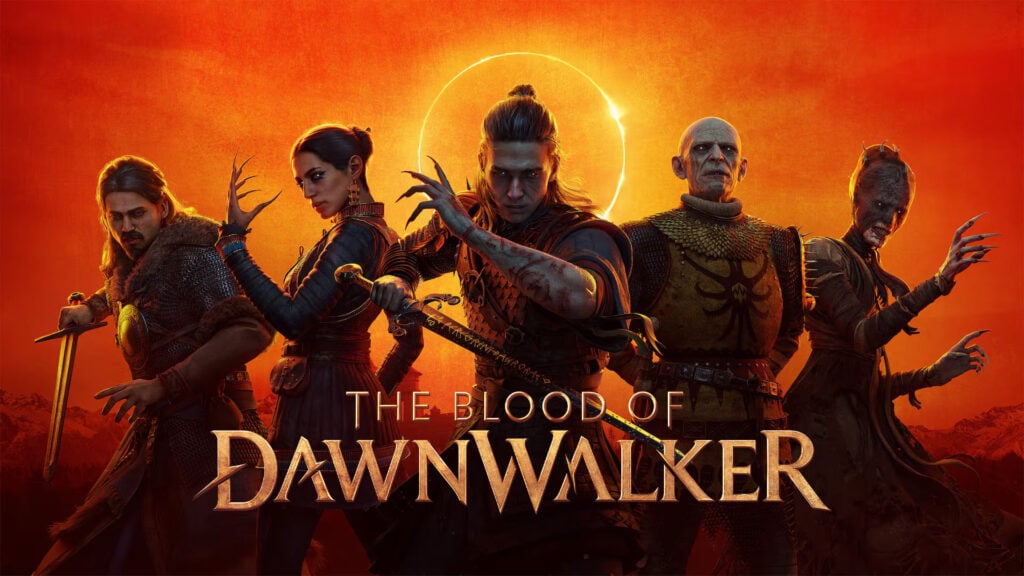


The Blood of Dawnwalker arrives on September 3 with a problem almost every open-world RPG has quietly learned to ignore. The story says something terrible is about to happen, your loved ones are in danger and every minute matters. Then the game gives you 70 side quests and happily waits while you spend three weeks collecting herbs.
Rebel Wolves decided not to ignore that contradiction. Coen has 30 days to save his family from the vampire lord Brencis, and the clock actually matters. The result is one of Dawnwalker's most interesting ideas: an RPG where choosing what you don't do can be just as important as choosing what you do.
The 30-day deadline sounds stressful, but Dawnwalker isn't running a stopwatch while you explore. Walking around the Vale Sangora, searching for secrets and talking to people doesn't automatically consume precious hours. Time advances when you deliberately complete quests, activities or other significant actions, and the game warns you before that happens.
That distinction changes how the quest log feels. Instead of treating it as a checklist waiting to be cleared, you start looking at it as a collection of possibilities competing for the same limited resource.
Helping one person might mean spending time that could have been used weakening Brencis' allies. Following another story could reveal useful information or abilities, but it might also leave another problem unresolved. Dawnwalker even allows important opportunities to disappear without breaking the campaign.
Time becomes even more interesting because Coen himself changes with it. During the day he is essentially human, relying on weapons and witchcraft. At night his vampiric side takes over and gives him access to supernatural abilities that can open entirely different approaches.
That means deciding when to tackle something can matter almost as much as deciding whether to tackle it at all. A location difficult to reach during daylight might become accessible with vampiric powers after sunset, while characters and opportunities can also behave differently depending on the hour.
The usual RPG question of “Which quest should I do next?” therefore becomes two questions: which quest is worth my time, and when should I attempt it?
This is where Dawnwalker separates itself from many of the RPGs that clearly inspired it. The Witcher 3 could tell Geralt that Ciri desperately needed him, then allow him to spend an evening playing cards with half the population of Velen. Cyberpunk 2077 puts a ticking time bomb inside V's head while Night City patiently waits for the player to finish every gig.
Those games aren't worse because of it. Giving players unlimited time makes enormous RPGs comfortable to explore. Dawnwalker simply asks what happens when developers stop pretending narrative urgency and player freedom never contradict each other.
Reviews suggest the deadline isn't as brutal as the premise makes it sound. A careful player can accomplish plenty before reaching day 30. But the system still changes how exploration feels because spending time requires an actual decision.
Perhaps the boldest idea behind Dawnwalker is that Rebel Wolves seems comfortable with players missing content. Modern open-world games spend enormous effort making sure we find everything. Map icons multiply, journals fill with objectives and completion percentages quietly encourage us to leave nothing unfinished.
Dawnwalker pushes in the opposite direction. You can fail people, overlook characters and reach the end with stories you never discovered. Another player can make different decisions and arrive at the same confrontation through a very different journey.
For completionists, that might be mildly terrifying. For an RPG about choices and consequences, however, it makes perfect sense.
Coen has 30 days to save his family. For once, the world isn't promising to wait while you finish everything else first.


Kommentarer
Fyll i formuläret ovan för att lämna en kommentar