
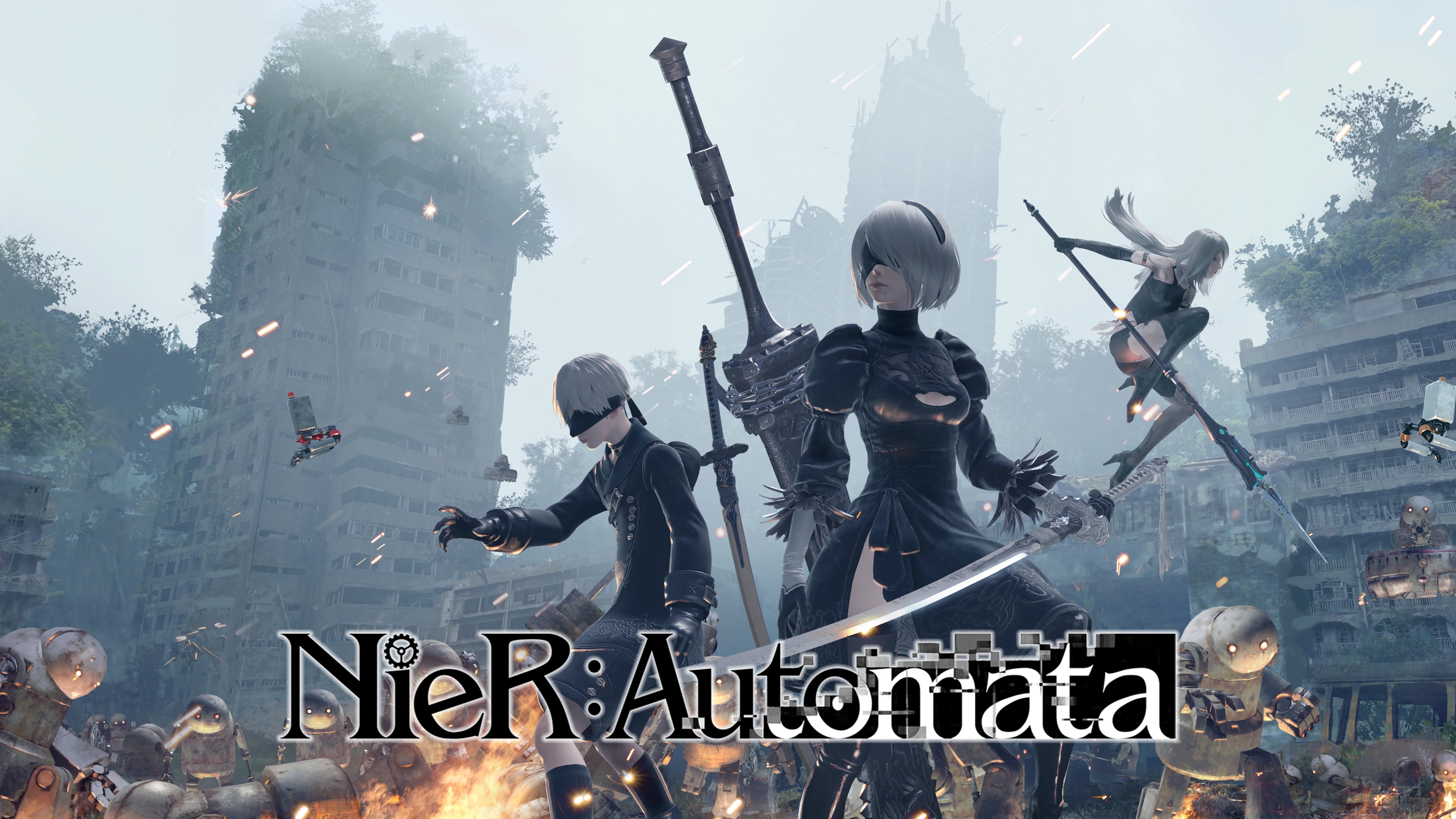


Nier: Automata, the quirky, melancholic action-RPG, didn't just break sales records; it performed CPR on the entire Japanese games industry. Shuhei Yoshida, former head of PlayStation's Worldwide Studios, recently told AV Watch that Nier represents a seismic shift, a clear demarcation point in gaming history: "before Nier and after Nier." Hyperbole? Or a legitimate assessment of the game's impact?
Rewind to the PS3/Xbox 360 generation. Many Japanese developers, seemingly mesmerized by the success of Western behemoths like GTA and Gears of War, attempted to clone the Hollywood blockbuster formula. They traded katana for chainsaws, traded nuanced narratives for explosions, and in doing so, often lost the unique cultural flavor that made their games special. The result? A lot of forgettable, derivative titles. Then, in 2017, something beautiful and bizarre happened. Nier: Automata, a collaboration between the enigmatic Yoko Taro and the action virtuosos at PlatinumGames, burst onto the scene. It was a glorious mess of existentialism, philosophical musings, and high-octane android action. It was undeniably, unapologetically Japanese – and the world fell in love. As Yoshida recalls, “[Director] Yoko Taro made it without thinking about whether or not it would sell overseas,” (translated by Genki). The irony, of course, is that this disregard for Western sensibilities is precisely what made Nier a global smash hit. It proved that authenticity, not imitation, is the true language of success. Nine million copies sold and a legion of 2B cosplayers later, the message was clear: weird sells.
Nier: Automata’s impact transcended its own success. It emboldened other Japanese developers to shed the shackles of Western imitation and rediscover their own unique creative voices. Yoshida's "before Nier and after Nier" declaration suggests a cultural renaissance, a return to the distinct storytelling, artistic sensibilities, and gameplay innovations that have always defined Japanese gaming. It’s a sentiment echoed by industry luminaries like Masahiro Sakurai, urging developers to prioritize their own passions over chasing Western trends. The upcoming Silent Hill f, with its distinctly Japanese horror aesthetic, is a prime example of this renewed focus. Nier: Automata didn't just sell games; it sold a philosophy. It demonstrated the power of embracing cultural identity, the allure of unconventional storytelling, and the enduring appeal of asking big, existential questions in a medium often dominated by spectacle. Did it single-handedly save Japanese gaming? Perhaps that’s an oversimplification. But there's no denying that Nier: Automata was a catalyst, a turning point that reminded the world why Japanese games matter. It's the story of how a melancholic android with a penchant for philosophy helped an entire industry remember its soul.




Komentarze
Wypełnij powyższy formularz, aby zostawić komentarz