
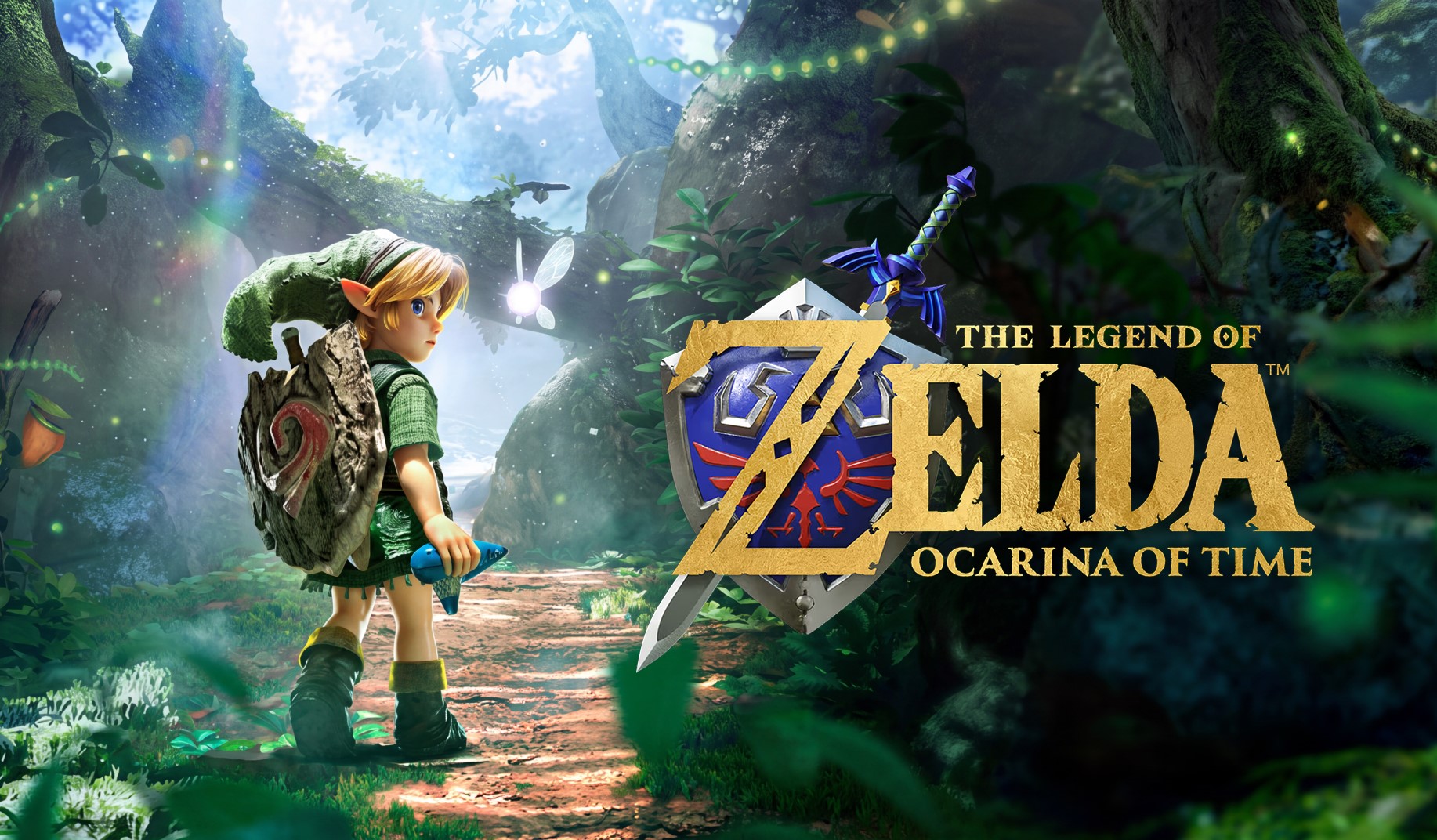


Remaking The Legend of Zelda: Ocarina of Time sounds like a terrible idea until you actually see the result. Nintendo has taken one of gaming's most celebrated adventures, rebuilt it for Switch 2 and somehow avoided turning Hyrule into an expensive museum exhibit. The reviews are overwhelmingly enthusiastic, although the remake's greatest achievement isn't simply making a 1998 game look spectacular.
It's making an adventure that millions of people already know feel worth exploring again. That requires more than prettier trees, especially when some players could probably navigate the Water Temple from memory. Nintendo's solution is surprisingly restrained: preserve the journey, modernize the experience and trust that the original design still has something to say.
The first trip into Hyrule Field is apparently enough to convince many reviewers that the visual overhaul was worth the effort. Familiar locations have been rebuilt with detailed environments, richer lighting and character models that retain the original's fairy-tale personality. Kokiri Forest feels like a real woodland, while the temples have gained an atmosphere that old Nintendo 64 hardware could only suggest.
Crucially, Nintendo hasn't turned Ocarina of Time into another enormous open-world game. The route through Hyrule remains recognizable, with familiar dungeons, puzzles and story milestones. There are small adjustments to item locations and environmental details, but anyone expecting a completely rewritten adventure will be disappointed.
That's probably the right decision. Breath of the Wild already proved that Zelda could reinvent exploration. Ocarina of Time doesn't need to imitate its successor. Its carefully arranged dungeons and deliberate progression offer something different, and replacing them with endless freedom would miss the point.
The remake's smartest changes aren't necessarily the most visible. Players finally have full camera control and a dedicated jump button, two ordinary features that feel almost revolutionary when applied to Ocarina of Time.
Inventory management has also received a welcome overhaul. Weapons and tools are easier to select, while frequently used equipment can be assigned to quick-access controls. The Iron Boots are a particularly important example. Anyone who remembers repeatedly opening menus in the Water Temple may consider this change more significant than the entire graphical upgrade.
Combat remains built around targeting, positioning and deliberate sword attacks, but stronger audiovisual feedback gives encounters more impact. Nintendo hasn't tried to transform Link into a character from a modern action spectacle. It has simply removed some of the awkwardness standing between the player and the original design.
Ocarina of Time was always a surprisingly melancholy adventure. Beneath the colorful villages and cheerful melodies sits a story about childhood, responsibility and a world that changes while its hero is absent.
The remake gives that story more room to breathe. Expanded dialogue and voiced cinematic sequences add weight to important encounters, while Link himself remains silent. The seven-year leap at the heart of the adventure becomes especially striking when presented with modern animation and performances.
There is a risk in making an understated story more explicit. Some players prefer the original's sparse dialogue and the strange atmosphere created by its technical limitations. Yet the early reviews suggest Nintendo has generally strengthened the drama without explaining away its mystery.
For all its improvements, the new Ocarina of Time is deliberately conservative. Experienced players will recognize most puzzle solutions, and the original game's structure remains largely untouched. Veterans hoping for substantial new challenges may finish their return trip faster than expected.
The absence of Master Quest makes that limitation harder to ignore. The alternate dungeon layouts offered in previous versions would have given returning players a reason to rethink familiar encounters. Instead, Nintendo has added a boss-rematch feature, which is enjoyable but hardly an equivalent replacement.
That leaves an interesting contradiction. The remake may be the most comfortable way to experience Ocarina of Time, yet it isn't necessarily the most complete version for longtime fans.
The strongest argument for this remake is that it respects what made the original important without pretending every decision from 1998 was sacred. It changes how players interact with Hyrule while preserving the rhythm of discovery, danger and gradual understanding.
That approach could become a useful model for future Nintendo remakes. Not every classic needs new combat systems, enormous maps or dozens of additional activities. Sometimes the better solution is to identify what has aged poorly and leave the rest alone.
Ocarina of Time helped establish the language of 3D adventure games. Almost three decades later, its remake suggests the underlying design still works. Nintendo hasn't made history repeat itself. It has simply made that history considerably more enjoyable to play.




Commenti
Compila il modulo qui sopra per lasciare un commento