
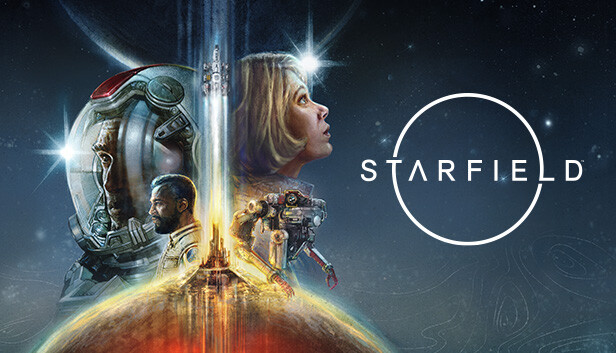


The trajectory of Bethesda Game Studios’ space odyssey has taken its most dramatic turn yet. With the simultaneous release of the massive Free Lanes update and the game’s long-rumored debut on PlayStation 5, Starfield is no longer just an Xbox flagship—it is an evolving ecosystem. This isn't a mere stability patch; the Free Lanes update represents a fundamental recalibration of how players interact with the Settled Systems, addressing long-standing criticisms regarding planetary traversal and narrative depth while inviting a whole new audience into the cockpit.
The headline for many will undoubtedly be the PS5 launch, confirmed via recent features trailers and version 1.000.002 listings. For a game once held as the crown jewel of Microsoft’s exclusivity strategy, its transition to Sony’s hardware marks a significant shift in the industry landscape. Beyond the corporate maneuvering, the PS5 version arrives with parity, integrating the Free Lanes content from day one. Early reports and trailers suggest Bethesda has leveraged the DualSense’s haptic feedback to add texture to grav-jumps and weapon kickback, a feature that could provide the tactile "crunch" some felt was missing at launch. This rollout isn't just about expanding the install base; it’s about presenting the most polished version of Starfield to date, free from the early-access jitters that defined its 2023 debut.
For returning veterans on Xbox and PC, the Free Lanes update is the real meat of this week’s drop. The standout feature is a radical rethink of planetary exploration. Bethesda has finally leaned into the "Lanes" concept, introducing specialized ground vehicle mechanics and revamped topographical mapping that makes the vast distances between points of interest feel like a playground rather than a chore. The Rev-8 is no longer just a novelty; it is a central tool for a new suite of bounty-hunting missions and environmental puzzles. By tightening the gameplay loop around planetary landings, Bethesda is directly answering the "walking simulator" critiques, transforming desolate moons into high-speed search-and-rescue or combat zones. This update signals a move toward a more kinetic, dense experience that values the player's time on the ground.
Parallel to the mechanical changes is the release of the Terran Armada DLC and its accompanying animated anthology. Bethesda has always excelled at environmental storytelling, but Starfield’s vastness occasionally diluted its narrative impact. The new animated episode serves as a crucial bit of world-building, fleshing out the ideological divide between the United Colonies and the Freestar Collective. By using high-quality animation to explore the "Terran Armada" era, Bethesda is taking a page from the Fallout TV series playbook—deepening the lore outside of the game to make the in-game factions feel more lived-in. This narrative push, combined with the Free Lanes' focus on localized stories, suggests a shift away from "infinite procedurally generated space" toward a more curated, character-driven universe.
As the global launch times confirm a staggered but swift rollout this week, the "huge update" moniker feels earned. Starfield is currently in the midst of a redemption arc that mirrors No Man’s Sky or Cyberpunk 2077, albeit with the immense weight of the Bethesda legacy behind it. By bridging the platform gap and overhauling the core exploration mechanics, the developer is making a clear statement: Starfield is a platform, not just a one-off release. Players should keep a close eye on how the community reacts to the ground vehicle physics and the new mission density; these elements will likely define the game’s meta for the next several years.

评论
填写上面的表格发表评论