
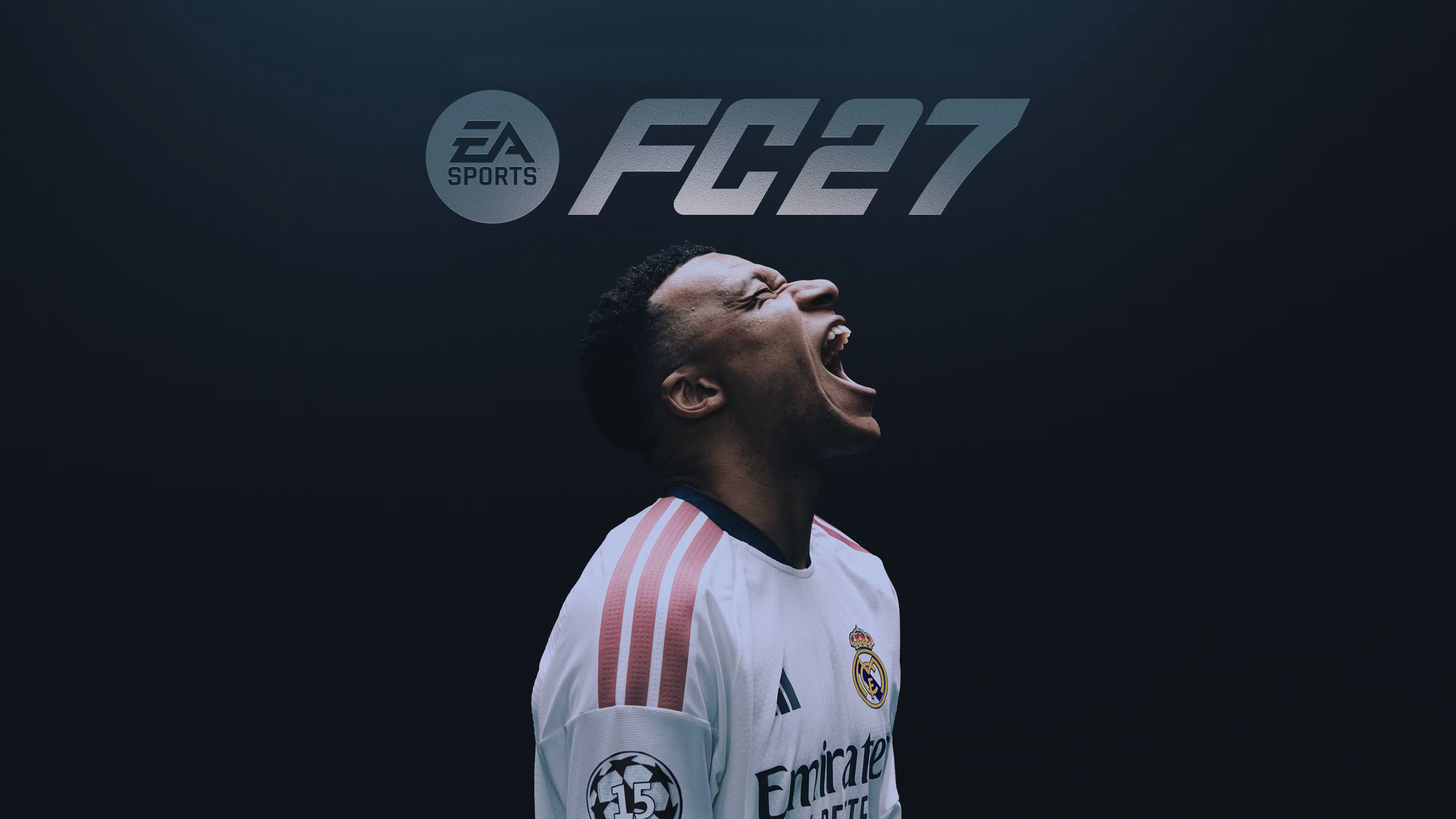


Every football game has to perform a strange trick. There are 22 players on the pitch, but you can only directly control one of them at a time. The other 21 need to understand positioning, make runs, cover space and generally behave like professional footballers while you desperately switch between them trying to stop a counterattack.
EA Sports FC 27, launching today, September 25, adjusts that balance by asking the player to take more responsibility. The changes are especially obvious in defence, where AI teammates are less willing to solve problems automatically. It makes defending harder, occasionally messier and, importantly, much more difficult to blame on somebody else.
Automatic defending has long been one of the series' awkward compromises. Too much assistance can make defending feel passive, with the smartest option sometimes being to avoid controlling the player who actually needs to make the tackle. Reduce that assistance too far, however, and controlling eleven footballers with one gamepad becomes its own tactical emergency.
FC 27 moves closer to the second extreme. Automatic tackles have been removed, while defensive AI provides less protection than experienced players may expect. Positioning, player switching and deciding when to commit to a challenge become more important because waiting for a teammate to fix the situation isn't nearly as reliable.
The adjustment can initially feel brutal online, particularly against fast attackers. One badly timed movement can open a route toward goal, and pace remains powerful enough that a quick striker can occasionally respond to several minutes of careful tactical planning with the sophisticated strategy of simply running very fast.
The same philosophy appears at the other end of the pitch. Passing rewards more deliberate direction, movement away from the ball matters, and crossing has become a useful attacking option again. Set pieces also offer more control over positioning, creating additional ways to build chances instead of repeatedly attacking through the same central spaces.
None of this transforms FC into a slow tactical simulation. Fast players remain dangerous, skill still matters and matches can become chaotic very quickly. What changes is the amount of responsibility placed on the person holding the controller. When a pass goes wrong or a defender steps into the wrong space, FC 27 is increasingly comfortable letting that mistake belong to you.
That sounds obvious for a competitive game, but football makes the question unusually complicated. A goalkeeper, full-back or midfielder still needs to make hundreds of decisions without direct input. FC 27 isn't removing AI assistance; it's shifting the point where assistance ends and player judgment begins.
The difference becomes particularly clear when moving between modes. Career Mode can use Authentic gameplay settings that encourage a slower approach, giving players more reason to build attacks patiently and search for openings rather than immediately sprinting toward goal.
Ultimate Team naturally pulls in another direction. Competitive online football rewards faster decisions and can produce much more aggressive, high-scoring matches. The same underlying game therefore has to accommodate people who want something resembling a careful Saturday afternoon tactical battle and people who consider 6-5 a perfectly respectable football score.
FC 27 doesn't completely resolve that contradiction, but separating the experiences more clearly is sensible. There probably isn't one version of virtual football capable of satisfying every player when some want realism and others would prefer their winger to reach escape velocity.
Annual sports games often sell improvement through numbers: more animations, smarter AI, additional modes and another round of tweaks to physics. FC 27's more interesting changes are about deciding when the game should stop helping.
That is particularly important in defence because mistakes become easier to understand. If an AI-controlled centre-back automatically makes every important intervention, success doesn't always feel earned. If the AI abandons its position for no reason, conceding feels equally unfair. FC 27 tries to leave more of the decisive moments in the player's hands, even when the result is an extremely avoidable goal.
It won't make every defeat feel deserved, and the series is unlikely ever to reach a point where nobody angrily points at an AI teammate after conceding. Football itself gives players too many moving parts for that.
Still, FC 27 makes a useful argument about what improvement can mean for an annual sports game. Smarter AI doesn't necessarily need to play more football for you. Sometimes the better solution is knowing when to get out of the way and let you make the mistake yourself.

评论
填写上面的表格发表评论