
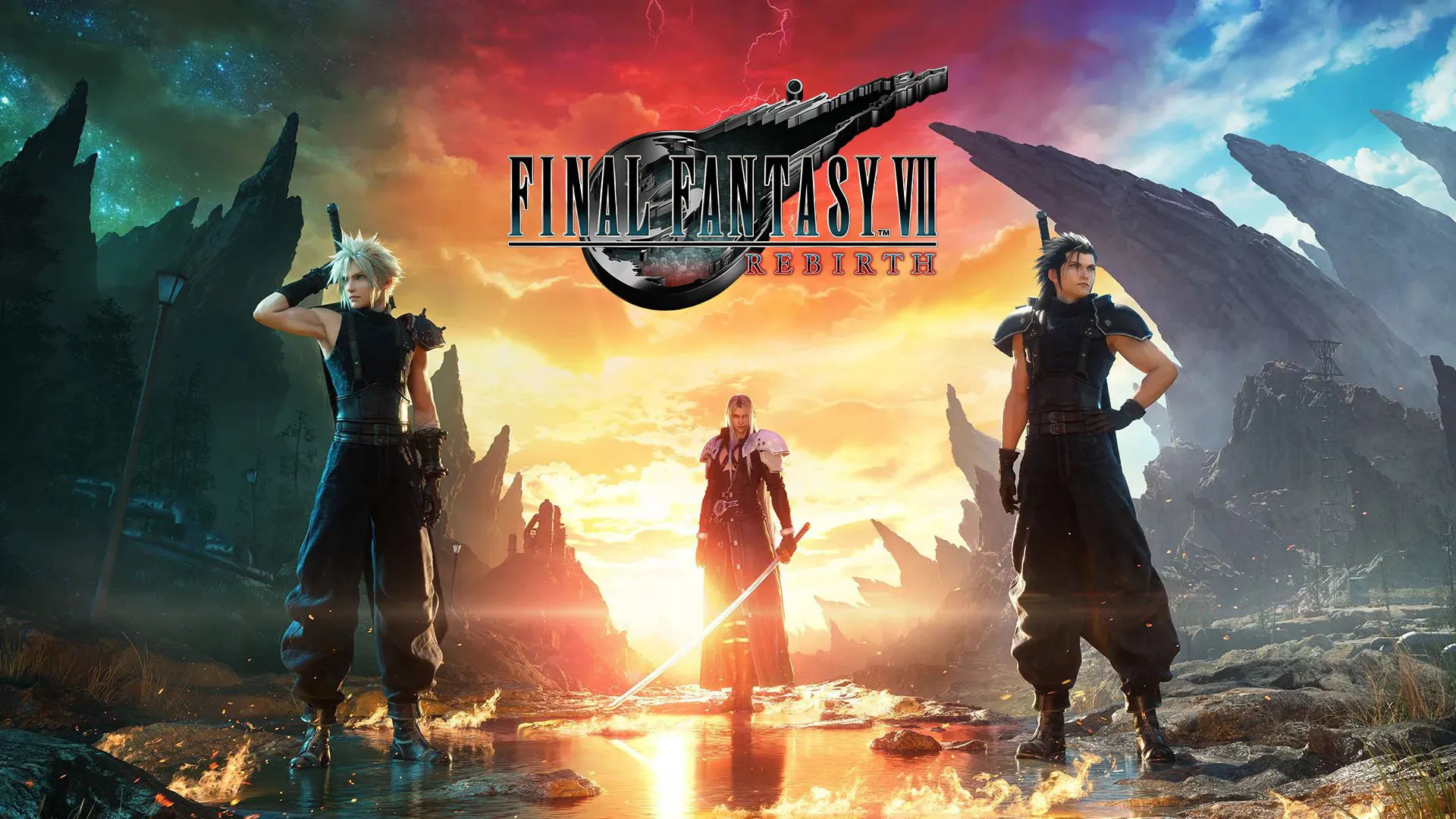


Final Fantasy VII Rebirth launches on Xbox Series X/S and Nintendo Switch 2 on June 3, ending one of PlayStation's most significant third-party exclusivity periods. But before the new versions have even fully arrived, players are already comparing frame rates, resolutions and graphical settings with the enthusiasm of people investigating a crime scene. Which means the launch is proceeding exactly as expected.
Before previews and technical breakdowns appeared, many assumed the Switch 2 edition would be the most compromised version of the game. Instead, it has become one of the pleasant surprises of the release.
Comparisons show that while Nintendo's hardware cannot match PS5 or Xbox Series X in raw image quality, Rebirth remains remarkably complete. The open world, major visual features and core experience survive the transition intact, which is not something every large RPG manages when moving to weaker hardware. For many players, simply seeing Rebirth running comfortably on a portable-capable Nintendo system would have sounded unrealistic a few years ago.
The Xbox versions have received a more mixed response. The quality mode generally delivers the visual experience players expected. Performance mode, however, has attracted criticism after technical analysis found inconsistent frame rates in some scenarios.
To be clear, this is not a launch disaster. The game remains highly playable and compares well to other large open-world releases. But when a 60 FPS mode exists, players naturally expect something close to 60 FPS rather than an ongoing negotiation with the frame counter. As a result, much of the discussion around Xbox has shifted from the game itself to technical comparisons. Which is unfortunate, because there is plenty to talk about beyond frame-time graphs.
The wider significance of this launch has less to do with hardware and more to do with business strategy. Over the past year, Square Enix has repeatedly stated that future releases would target more platforms. Rebirth arriving on Xbox and Switch 2 is one of the first major tests of that approach. And honestly, the move makes sense.
The Final Fantasy audience is no longer concentrated on a single platform. Reaching Xbox, PC, PlayStation and Nintendo players simultaneously gives the company access to a much larger market than the old exclusivity model ever could.
Lost in all the platform comparisons is a simple fact: Rebirth was one of 2024's most acclaimed RPGs. The new versions do not fundamentally change that. What they do change is the number of people who can finally play it.
And after spending years as the answer to "When is this coming to Xbox?", Rebirth is finally available there. Which means gaming forums can now move on to their next important discussion: whether Part 3 will somehow require three consoles, two SSDs and a summon materia to run properly.



Kommentarer
Fyll i formuläret ovan för att lämna en kommentar