
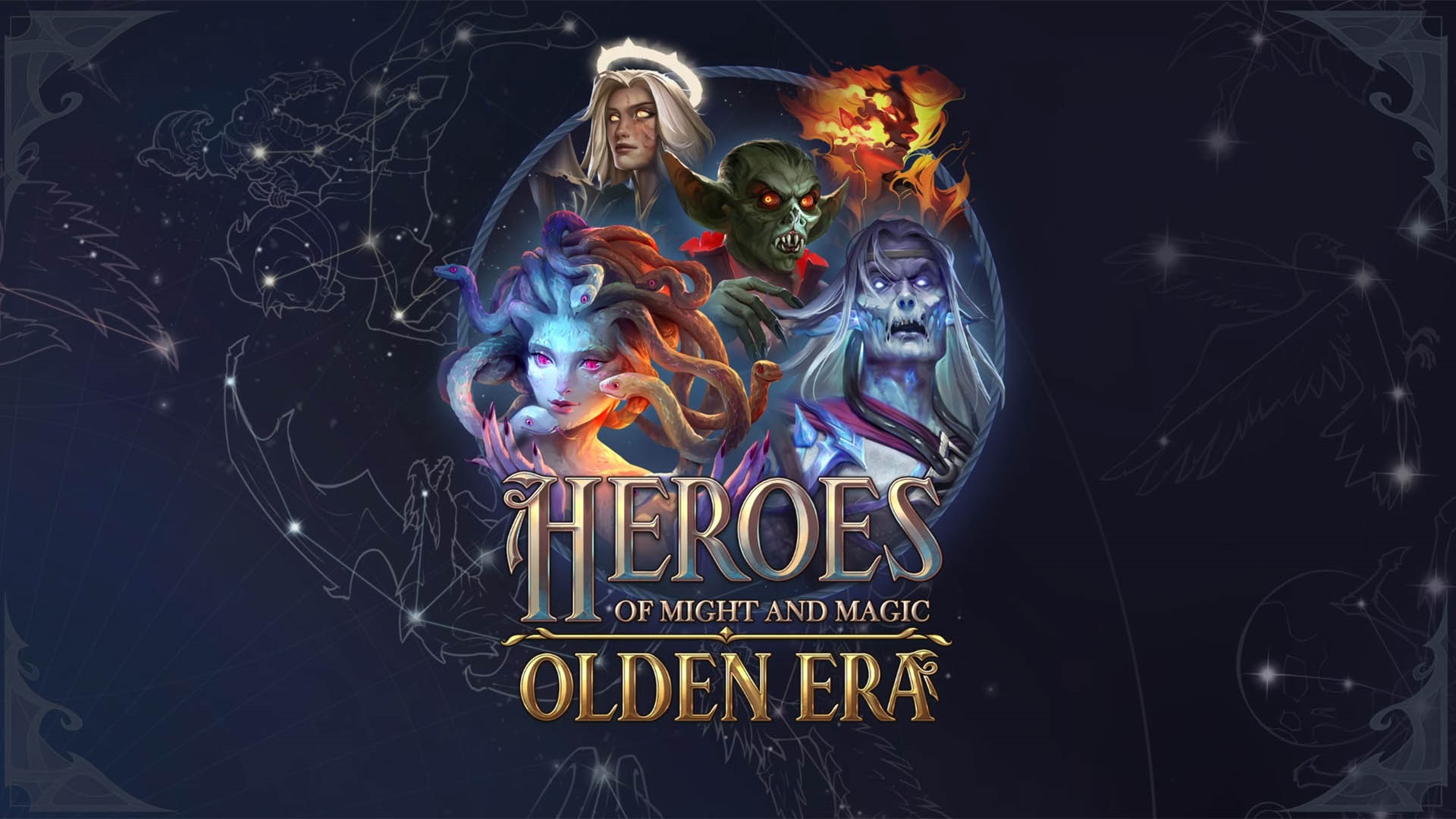


The launch of Heroes of Might and Magic: Olden Era suggests that Ubisoft has finally realized that chasing modern trends was the primary reason the franchise spent a decade in the wilderness. By handing the keys to Unfrozen, the studio behind Iratus: Lord of the Dead, they have prioritized mechanical depth over the flashy, often broken presentations of the previous three sequels. The immediate result is a peak concurrent player count of 41,294 on Steam, a number that dwarfs the launch of the last few entries and signals a genuine hunger for a traditional turn-based experience. This success stems from a design philosophy that treats the third installment as a blueprint rather than an ancient relic to be ignored.
The return to a hexagonal grid is the most significant tactical change in this release, effectively correcting the pacing issues introduced by the square grids of the more recent sequels. Hexagons allow for more natural movement and more complex flanking maneuvers, which is essential for the competitive "kiting" strategies that veteran players expect. This shift in geometry means that unit positioning once again feels like a mathematical puzzle rather than a clunky approximation of movement. To support this, the developers have implemented a transparent turn-order bar at the top of the screen, removing the hidden variables and "luck" rolls that frequently frustrated players in the seventh installment.
Character development has seen a similar overhaul, moving away from the purely random skill rolls of the past toward a more structured sub-skill system. This change means players can actually plan a specific build for their hero from the first level-up, selecting primary skills that open specific branches of a talent tree. Consequently, the game feels less like a gamble and more like a strategy title where a magic-focused hero can reliably specialize in a specific school without hoping for a lucky roll at the mage guild. This predictability is vital for the new arena mode, which skips the hours of map exploration to focus entirely on tactical drafting and immediate combat.
To give players enough variety for these builds, the Early Access version launches with six distinct factions:
The inclusion of a robust map editor and a random map generator at launch shows that the developers understand how these games stay alive. Without community-made maps, a strategy game usually fades within a few months, but Unfrozen has provided the same tools they used to build the official scenarios. This decision, combined with the integrated ranked ladder and asynchronous multiplayer turns, targets the hardcore audience that has been playing fan-made mods of the older games for twenty years.
By making the UI actually fit on modern high-resolution monitors without requiring a magnifying glass, they have removed the technical debt that usually plagues the genre. The focus here is clearly on long-term stability and competitive balance rather than a quick hit of nostalgia.

Comentários
Preencha o formulário acima para deixar um comentário