
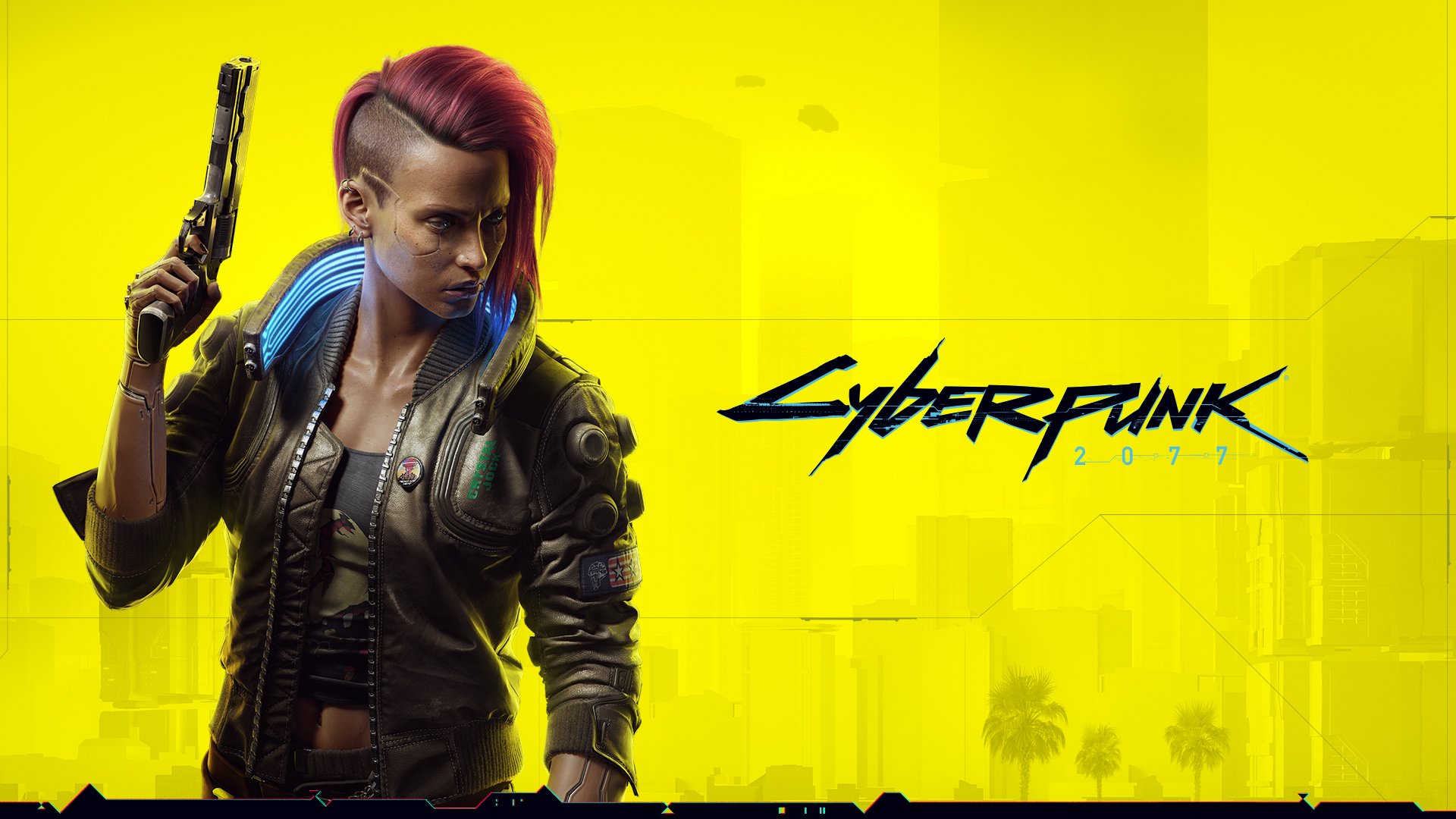


If there were still any lingering doubts regarding CD Projekt Red’s ability to turn a disaster into a dynasty, the studio’s latest financial disclosures should put them to rest. In a revelation that would have seemed impossible during the turbulent winter of 2020, Cyberpunk 2077 is not just surviving; it is thriving. According to CDPR’s Q3 2024 financial results, the sci-fi RPG has officially outpaced the studio’s golden child, The Witcher 3: Wild Hunt, in sales volume over the same post-release timeframe. This milestone signals a massive shift in the studio's hierarchy and secures the future of the franchise as the developers pivot toward the sequel, codenamed Project Orion.
For years, The Witcher 3 has stood as the benchmark for open-world RPG success, enjoying a legendary "long tail" of sales fueled by word of mouth, a Netflix adaptation, and consistent discounting. However, the new data reveals a changing of the guard. CD Projekt Red’s charts show that four years after their respective launches, Cyberpunk 2077 has moved more units than Geralt’s third outing did at the same point in its lifecycle.
This context is vital. The Witcher 3 launched to near-universal acclaim, whereas Cyberpunk 2077 fought an uphill battle against technical debt, public outcry, and delistings. To overtake The Witcher 3 despite that handicap speaks volumes about the efficacy of the studio's post-launch strategy. The steady stream of patches, the "Edgerunners" anime update, and the massive Phantom Liberty expansion have successfully converted skepticism into revenue. It’s no longer just a redemption story; it’s a commercial dominance story. Currently, the Night City franchise is serving as the primary revenue driver for the entire company, keeping the lights on as the majority of the workforce transitions to future projects.
With the commercial viability of the IP secured, attention naturally shifts to what comes next. The recent updates confirm that "Project Orion," the full-fledged sequel to Cyberpunk 2077, is firmly in the pre-production phase. This isn't just a skeleton crew tossing ideas around; the development is being spearheaded by the newly established Boston studio, populated by veterans who steered Phantom Liberty to success.
Pre-production is a delicate phase, but for fans, this status update is promising. It implies the foundational pillars—narrative scope, engine technology (shifting to Unreal Engine 5), and core gameplay loops—are being solidified before full-scale production ramps up. CD Projekt Red seems determined to avoid the pipeline bottlenecks that plagued the first game. By moving the core creative team to North America and allowing a dedicated pre-production period, they are signaling a desire to build a sequel that launches in a finished state.
The broader implication of this news is that CD Projekt Red is no longer a "single-IP" studio relying solely on fantasy nostalgia. The data proves that a gritty, futuristic setting resonates just as strongly with their audience as the Northern Realms.
While The Witcher 4 (Project Polaris) is further along in development, the robust sales of Cyberpunk 2077 ensure that Project Orion won’t be treated as a side project. The game has transitioned from a cautionary tale into a financial bedrock. For players, this means the universe of Night City is safe. The lore will expand, the mechanics will evolve, and thanks to the sales figures beating out Geralt’s best days, the budget for the sequel is likely to be astronomical. The redemption arc is over; the era of Cyberpunk as a permanent powerhouse has begun.




Kommentarer
Fyll ut skjemaet ovenfor for å legge igjen en kommentar