
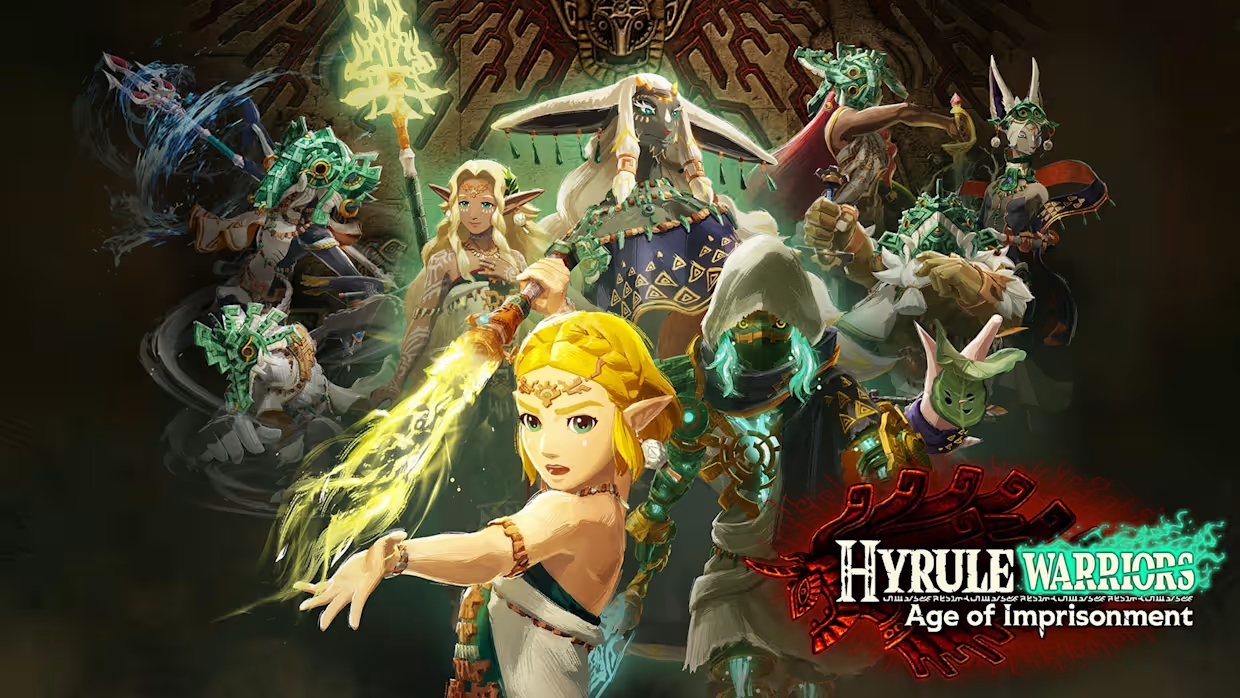


While the sales charts suggest a cooling period for Hyrule Warriors: Age of Imprisonment as it slips out of the UK top ten this week, the conversation surrounding the game has never been hotter. Following the recent hardware patch for the newly released Nintendo Switch 2, the game has transformed from a technical struggle into a visual showcase. However, as players finally see Hyrule in high-fidelity 4K, a glaring narrative frustration is coming into sharp focus: Nintendo’s refusal to define the relationship between Link and Zelda.
When Age of Imprisonment launched earlier this year, it suffered from the classic Musou curse: ambitious enemy density crippled by aging hardware. That conversation ends today. As highlighted in a recent MobileSyrup review, the Switch 2 update is nothing short of a revelation. We aren't just looking at upscaled textures; the unlocked frame rate fundamentally changes the gameplay loop. Perfect-dodging a Lynel amidst a chaotic battlefield of 300 Bokoblins is no longer a guessing game of dropped frames—it is a precise, fluid dance. This technical leap allows the environmental storytelling to shine, revealing details in the war-torn landscape that were previously lost in the muddy visuals of the last-gen version.
With the visual noise cleared, the lore community is dissecting the narrative with renewed vigor. CBR’s latest deep dive suggests that Age of Imprisonment is not merely a spinoff, but a critical bridge in the fractured Zelda timeline, potentially detailing the events of the "Imprisoning War" referenced in A Link to the Past. The game is heavy on atmosphere, leaning into a darker, more oppressive tone than Age of Calamity.
However, this timeline placement is messy. The introduction of time-travel mechanics—a staple of the Hyrule Warriors sub-brand—has led to fan theories that this game is actively rewriting established canon rather than supporting it. It creates a fascinating tension: the gameplay is mindless fun, but the implications for the franchise's lore are deadly serious.
Yet, for all the timeline speculation, the loudest outcry concerns the heart of the story. A scathing critique from TheGamer points out a growing exhaustion with Nintendo’s "will-they-won’t-they" trope. Age of Imprisonment features perhaps the most intimate scenes between Link and Zelda we have seen since Skyward Sword. The voice acting and facial capture (now crystal clear on the new hardware) convey a desperate, romantic longing.
And yet, Nintendo pulls the punch. Despite heavy subtext and scenes that scream romantic confirmation, the game stubbornly categorizes them as platonic partners bound by duty. For a fanbase that has matured alongside this franchise, this refusal to evolve their dynamic feels like a narrative glass ceiling. It creates a dissonance between the mature, dark tone of the "Imprisonment" era and the juvenile handling of its character relationships.
Hyrule Warriors: Age of Imprisonment finds itself in a strange position in late 2025. Technically, it is a flagship title for the Switch 2, proving that the Musou formula can feel premium. But narratively, it is testing the patience of its most devoted scholars. While the combat is more satisfying than ever, the story leaves players fighting for a resolution—both regarding the timeline and the romance—that Nintendo seems hesitant to grant.


Opmerkingen
Vul bovenstaand formulier in om een reactie achter te laten