
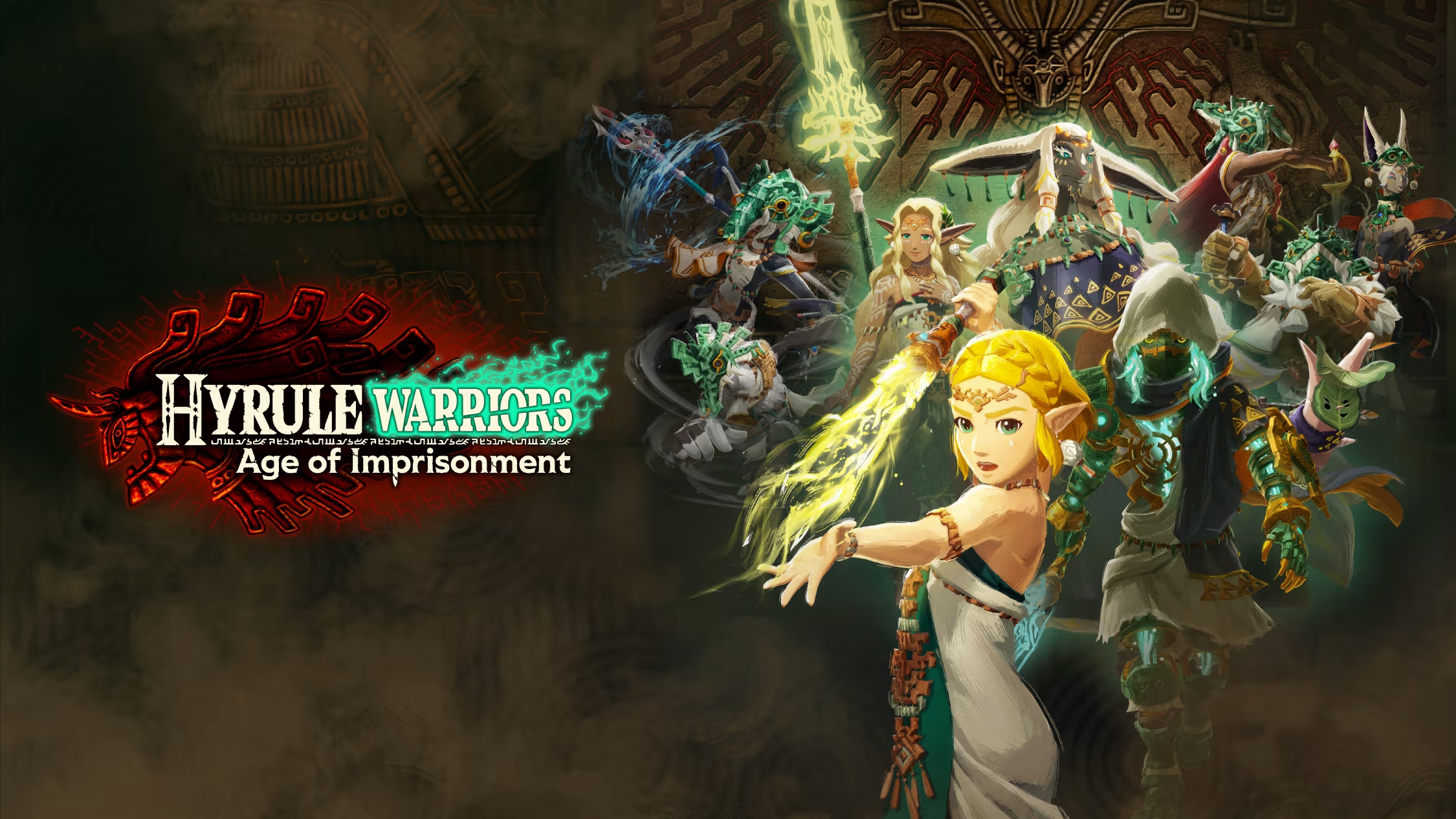


For months, we’ve assumed Hyrule Warriors: Age of Imprisonment would be a tragic march toward a known, devastating conclusion. Early hands-on reports and reviews are now painting a very different, and far more exciting, picture. The biggest bombshell is that this is not the prequel we were expecting. Thanks to a time-traveling intervention, the game is set in an alternate timeline, giving the Champions of Hyrule a fighting chance to avert their grim fate. This narrative twist, combined with a deep mechanical fusion with Breath of the Wild and a fully playable roster of legendary heroes, positions Age of Imprisonment as one of the most ambitious and surprising titles of the year.
The story's central hook, as revealed in the first wave of impressions, is a tiny, egg-shaped Guardian who travels back from the ruined future to warn the heroes. This single act shatters the canon, transforming the narrative from a somber historical account into a thrilling "what if" scenario. This is a brilliant move. It allows players to truly embody the Champions—Mipha, Daruk, Revali, and Urbosa—not as figures doomed to fail, but as active agents fighting to change destiny. The reports praise this direction, noting that it allows for a more hopeful and heroic story that gives these beloved characters the spotlight they deserve, including a younger, playable Impa who looks to be a breakout star.
A key question has been how much this game would feel like its celebrated predecessor. The answer, according to those who have played it, is a resounding "a lot." This is far more than a simple reskin. Core mechanics from Breath of the Wild are deeply integrated into the Musou combat. Players will use the full suite of Sheikah Slate runes—Stasis to freeze a charging Lynel, Magnesis to hurl metal crates—as essential tactical tools. The perfect dodge to trigger a Flurry Rush is also present, fundamentally changing the rhythm of combat. This suggests a game with far more mechanical depth than the genre is typically known for, demanding skill and strategy, not just button-mashing.
Visually, the game is being described as a stunning recreation of Breath of the Wild's art style, but applied to a living, breathing world. Seeing Hyrule's iconic locations before they were reduced to ruins is a powerful experience for fans. However, this ambition appears to come with a technical price. A consistent point of criticism across all reports is a struggling frame rate, especially when the on-screen action becomes chaotic or when playing in two-player co-op. While most agree it doesn't ruin the exhilarating fun of mowing down armies, it's a significant caveat players should be aware of.
The initial wave of information has completely reframed our expectations for Age of Imprisonment. It is not just a spin-off; it's a bold reimagining of a pivotal moment in the Zelda mythos. The combination of a compelling, timeline-altering story and a surprisingly deep combat system makes this a far more essential title than we first believed. This is no longer just a history lesson; it's a chance to rewrite it.




コメント
上記のフォームに記入してコメントを残してください