
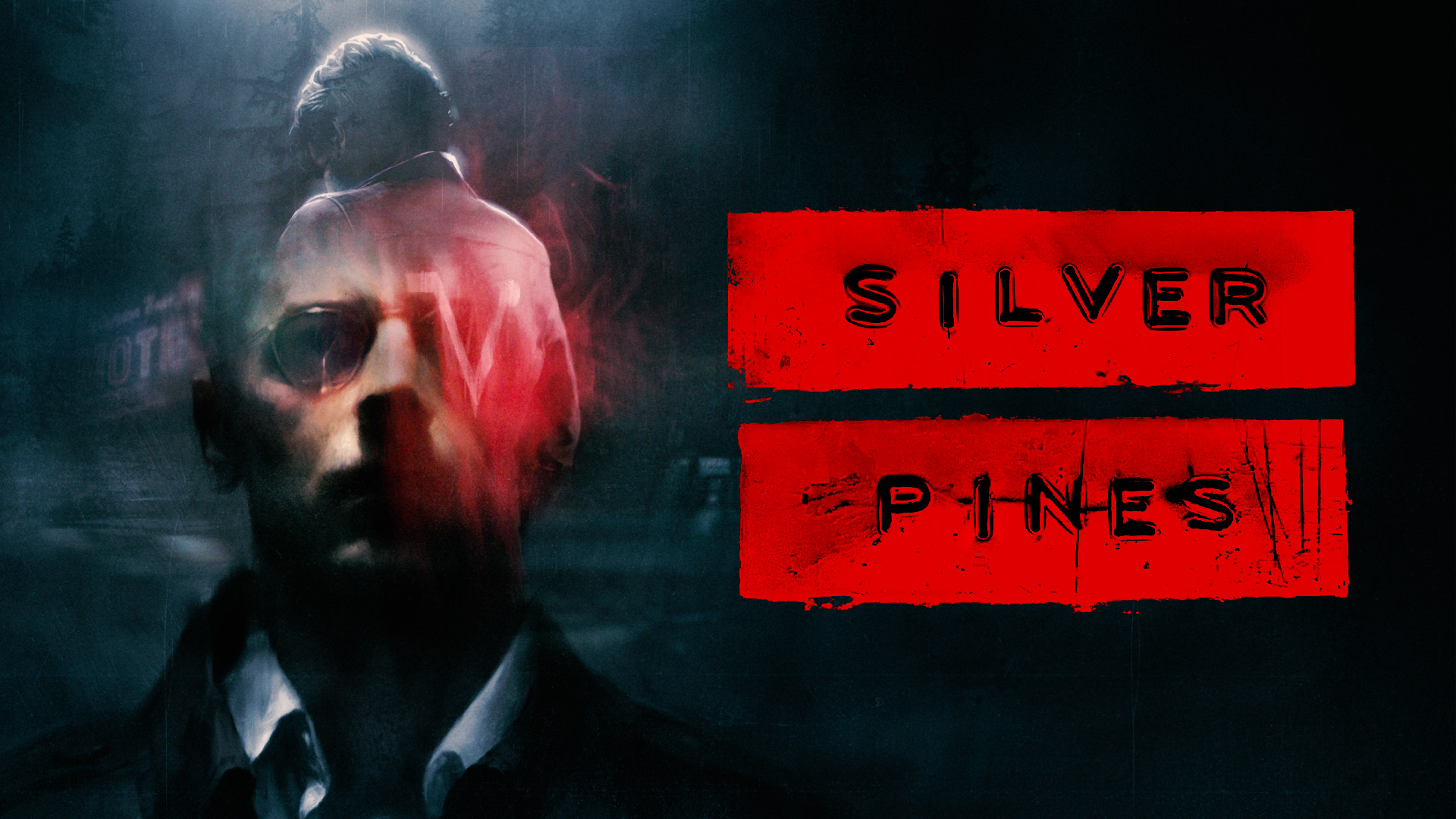


Spend ten minutes with Silver Pines and you can probably start naming its influences yourself. There's a weird small town, a private detective, disturbing monsters, limited resources, suspiciously complicated locks and enough Twin Peaks energy to make coffee seem like an essential survival item.
Launching tomorrow, October 8, Silver Pines isn't particularly interested in pretending these ideas appeared from nowhere. You can see Silent Hill in its unsettling town and horror, Resident Evil in its inventory management and puzzles, Twin Peaks in the detective story, and Metroidvania design in the way new tools gradually open more of the map.
Usually, stacking this many familiar ingredients is dangerous. Nobody needs another horror game whose entire personality is remembering that Silent Hill was good. Silver Pines gets away with it because it doesn't just copy individual ideas. It makes them work together.
Limited inventory space is one of the oldest tricks in survival horror. Give players ten useful things and enough pockets for six, then watch them spend five minutes deciding whether ammunition is more important than the mysterious object they've been carrying around for an hour.
Silver Pines follows that tradition, but its interconnected map makes inventory management more interesting. Tools aren't necessarily useful for one puzzle and then forgotten. Something that opens a route may also help elsewhere, while returning to previously explored locations is a regular part of progression.
That means deciding what to carry isn't just preparation for combat. You're also thinking about where you're going and what might become accessible once you get there. The map and inventory systems feed into each other instead of existing because every survival horror apparently signed a contract requiring at least one storage problem.
Combat follows the same principle. Resources matter, enemies make exploration risky, and killing everything isn't necessarily the smartest use of what you're carrying. None of this is new, but Silver Pines understands why those mechanics worked in the first place.
Backtracking can be either one of the best parts of survival horror or an excellent opportunity to check your phone. The difference is whether returning somewhere changes anything. Silver Pines regularly gives players reasons to reconsider old areas. New tools reveal paths that were previously inaccessible, while clues and items can send Red back through places that appeared finished. Instead of treating the town as a line of disposable levels, the game gradually turns it into one large puzzle.
This is where the Metroidvania influence becomes especially useful. Progress isn't always another objective marker appearing farther down the road. Sometimes it's remembering a blocked passage from earlier and finally having the tool required to get through it.
The system isn't flawless. Some puzzles can be obscure, and repeatedly travelling through familiar areas won't appeal to everyone. But there's usually a reason for the return trip, which makes a considerable difference when you've already seen the same hallway several times and would quite like the hallway to justify its continued presence in your life.
The visual style also prevents Silver Pines from becoming Retro Horror References: The Game. Instead of chasing photorealism or deliberately reproducing PlayStation-era graphics, it uses rotoscoped characters against detailed layered environments. The result looks unusual immediately. Characters move with a slightly strange quality that fits the town, while locations can shift between ordinary detective-story spaces and much less comfortable environments without losing their visual identity.
The soundtrack and neo-noir presentation push the game further in that direction. Yes, Twin Peaks and Blade Runner are easy comparisons, and the developers would probably have difficulty convincing anyone those similarities happened by accident. But they're ingredients rather than the entire meal.
Silver Pines ultimately looks like Silver Pines, which is more than can be said for plenty of horror games that begin with “inspired by the classics” and end with you wondering why you didn't simply replay the classics.
The strong early reviews are interesting because Silver Pines isn't being praised for inventing a new kind of horror. Almost every major component has an obvious ancestor.
What it does well is understand how those components support each other. The detective setup gives exploration a reason. The Metroidvania structure makes backtracking useful. Limited resources make exploration dangerous. Puzzles slow you down long enough to make unfamiliar rooms uncomfortable, while the interconnected map rewards actually paying attention to where you've been.
There are rougher parts. Some puzzles ask a little too much, combat isn't necessarily the main attraction, and anyone allergic to backtracking should probably prepare themselves. But those weaknesses don't erase how neatly the larger structure fits together.
Silver Pines could easily have been a pile of references held together by a creepy soundtrack. Instead, it takes mechanics horror fans already understand and rearranges them into something with enough personality to stand beside its influences rather than underneath them. Tomorrow we'll find out what players think. The critics have already made their position fairly clear. Apparently borrowing somebody else's homework works much better when you understand the answers.



Commentaire
Remplissez le formulaire ci-dessus pour laisser un commentaire