
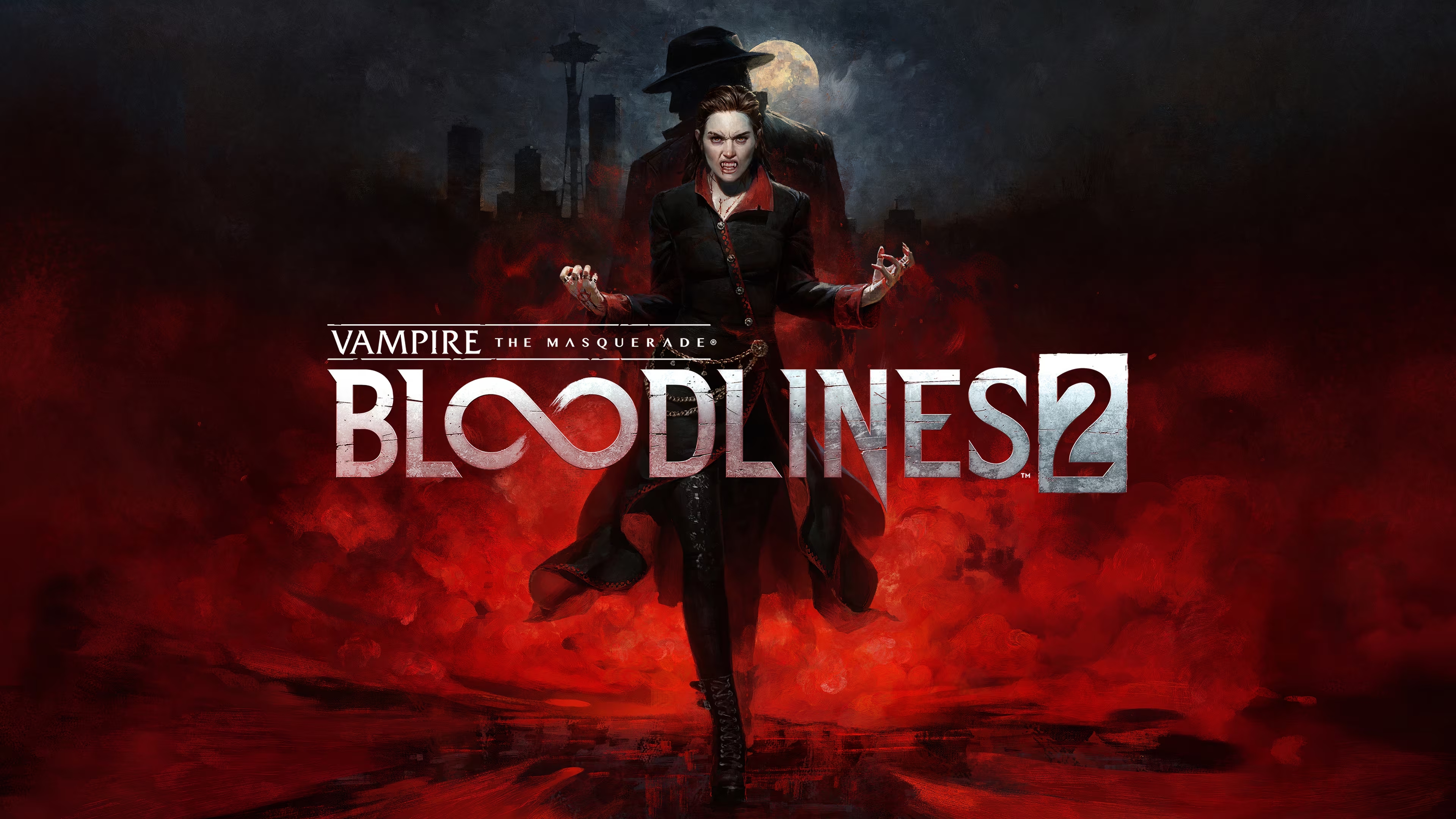


After years of waiting, Vampire: The Masquerade – Bloodlines 2 launches today, and it does so with a bold new identity. Handed to narrative-driven developer The Chinese Room mid-production, the sequel has been forged into a different beast than its beloved 2004 predecessor. The final game, now in players' hands, eschews the deep, sprawling RPG mechanics of the original for a more focused, visceral, and story-centric action game. Launch reviews confirm that while it may not be the sequel fans were expecting, Bloodlines 2 delivers a polished and compelling vampire power fantasy, anchored by a unique dual-protagonist narrative and a dark, atmospheric vision of modern-day Seattle.
From the outset, Bloodlines 2 makes its new priorities clear: combat is a spectacle, not a stat check. Players control Phyre, a powerful Elder vampire, and the gameplay is built entirely around that premise. The clunky mechanics of the past are gone, replaced by a fluid, first-person combat system that empowers the player to stalk, brutalize, and dominate their foes. Traversal is fast and supernatural, allowing you to treat the city's rooftops as your personal hunting ground. The design philosophy is a clear departure, prioritizing an immediate and visceral action experience over the slow-burn character progression that defined the original. It’s a move designed for a modern audience, and it creates a thrilling, if less complex, gameplay loop.
Where The Chinese Room’s signature style shines is in the game's ambitious narrative. Phyre, awakened after a century, is haunted by the consciousness of Fabien, a Malkavian detective from a bygone era. The main story is a compelling murder mystery that unfolds across two timelines. In the present, you navigate the treacherous politics of Seattle's Kindred as Phyre. Then, in dreamlike sequences, you become Fabien, playing through flashbacks that slowly unravel the cold case of his death 100 years prior. This innovative structure allows the game to tell a more authored and intricate story, building a central mystery that reviewers have highlighted as a major strength.
This focus on a tight narrative comes with a trade-off in player agency. While the game features dialogue choices and different vampire clans to choose from, their impact is more streamlined. The decision to include all six launch clans in the base game, following significant fan backlash against the initial DLC plan, was a crucial win for the community. However, your choice of clan primarily serves to customize your combat style, and the main narrative follows a more linear path than fans of the original's branching questlines might expect. This makes for a more consistent and polished story for all players, but it sacrifices the radical replayability that came from the original's "break-the-game" level of freedom.
Vampire: The Masquerade – Bloodlines 2 has finally emerged from its troubled development not as a modernization of a cult classic, but as a confident reimagining of what a Bloodlines game can be. It's an action-adventure with RPG elements, not the other way around. The Chinese Room has successfully leveraged its narrative expertise to build a compelling mystery and wrapped it in a satisfyingly brutal combat system. While it may disappoint purists hoping for a true role-playing sandbox, the game that has launched today is a slick, atmospheric, and engrossing vampire thriller. It stands on its own, ready to welcome a new generation of Kindred into the fold, even if it has to stake some old expectations to do so.


Commentaire
Remplissez le formulaire ci-dessus pour laisser un commentaire