


The wait is finally over, and the sheer scale of today’s launch cannot be overstated. Dragon Quest VII Reimagined has officially arrived on all major platforms, bringing one of the franchise’s most intimidatingly massive adventures to modern hardware with a complete visual and mechanical overhaul. However, while the conversation should arguably focus on the sprawling 100-hour narrative or the contentious new art direction, the headlines are currently dominated by a surprising revelation regarding Nintendo’s next-generation hardware. Square Enix has confirmed the title supports the "Switch 2" immediately, but the implementation for physical collectors is raising eyebrows and ire across the gaming community.
The most significant news hook dropping alongside the game is its day-and-date availability on Nintendo’s successor console, the Switch 2. According to recent retail listings highlighted by GoNintendo, the publisher has taken a controversial approach to the next-gen physical release. Unlike the standard Nintendo Switch or PlayStation 5 versions, which include the game on a physical disc or cartridge, the Switch 2 physical packaging contains a "Game-Key Card."
This decision signals a potentially worrying shift in how major publishers are treating the transition to Nintendo's new hardware ecosystem. For preservationists and physical media die-hards, this is a substantial blow; purchasing a box only to find a download voucher inside defeats the primary purpose of "owning" the game. While the digital convenience is undeniable for some, it stands in stark contrast to the standard Switch version, which still offers the full game on the cartridge. It forces consumers into a strange dilemma: buy the "inferior" graphical version on the original Switch to own the physical media, or buy the "superior" Switch 2 version but settle for a digital license. This move by Square Enix might be a testing ground for future releases, and the sales data from this launch window will likely dictate if "Code in a Box" becomes the new industry standard for the Switch 2 era.
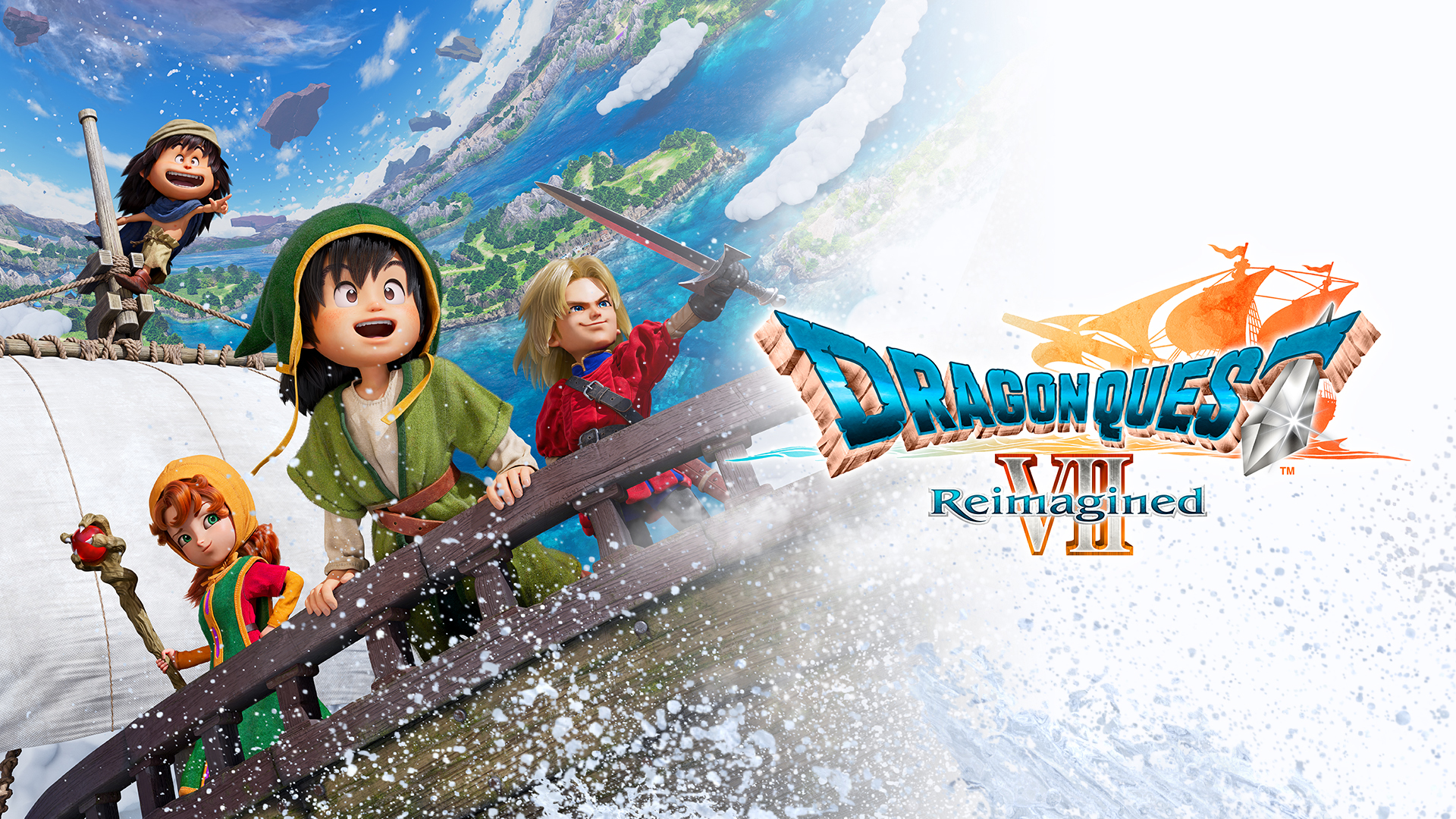
Moving past the format controversy, the game itself represents a massive departure from recent trends. Square Enix has opted against the popular HD-2D style that made the Dragon Quest III remake a bestseller. Instead, Dragon Quest VII Reimagined utilizes a unique "diorama-like" aesthetic. In a recent interview cited by AOL, the game’s producer revealed that the character designs were "reimagined... using dolls actually created in the real world."
This artistic choice is not merely for show; it aligns perfectly with the game’s fragmented narrative structure. In Dragon Quest VII, players are tasked with reconstructing the world island by island, piecing together a broken history. The result is a toy-like, tactile look reminiscent of the Link's Awakening remake, giving the heavy, often dark narrative a charming, storybook presentation. It is a bold risk. HD-2D is a proven winner, and shifting to this 3D "doll" style risks alienating fans who wanted a unified look for the retro trilogy. However, early analysis suggests this distinct style helps separate VII—a game about isolated vignettes—from the continuous epic feel of its predecessors.
Square Enix is also aggressively monetizing the FOMO (Fear Of Missing Out) associated with this release. As detailed by IGN, the entry price is set at a standard $59.99, but the upsell strategy is potent. The $74.99 Digital Deluxe Edition includes early access—which began 48 hours ago—and specific cosmetic items like the "Luminary’s Livery" and "White Wolf" costumes.
However, the real shocker is the $249.99 Collector's Edition, which features a literal "Ship in a Bottle" figure. This is a clever thematic nod, as the game is entirely about sailing the seas of time to restore landmasses. By locking such a high-quality physical item behind a massive paywall, Square Enix is clearly targeting the "superfan" demographic that kept this niche entry alive during the dark years between the PS1 and 3DS eras.
Ultimately, Dragon Quest VII Reimagined is a fascinating blend of old-school scale and new-school business practices. It is a game that respects the past through its faithful recreation of a massive world, yet points toward a digital-first future with its controversial Switch 2 handling. Whether you play it on a PS5, a standard Switch, or redeem that code on your new hardware, this is the definitive version of a JRPG classic—even if the box it comes in feels a little lighter than it should.


Kommentit
Täytä yllä oleva lomake jättääksesi kommentin