
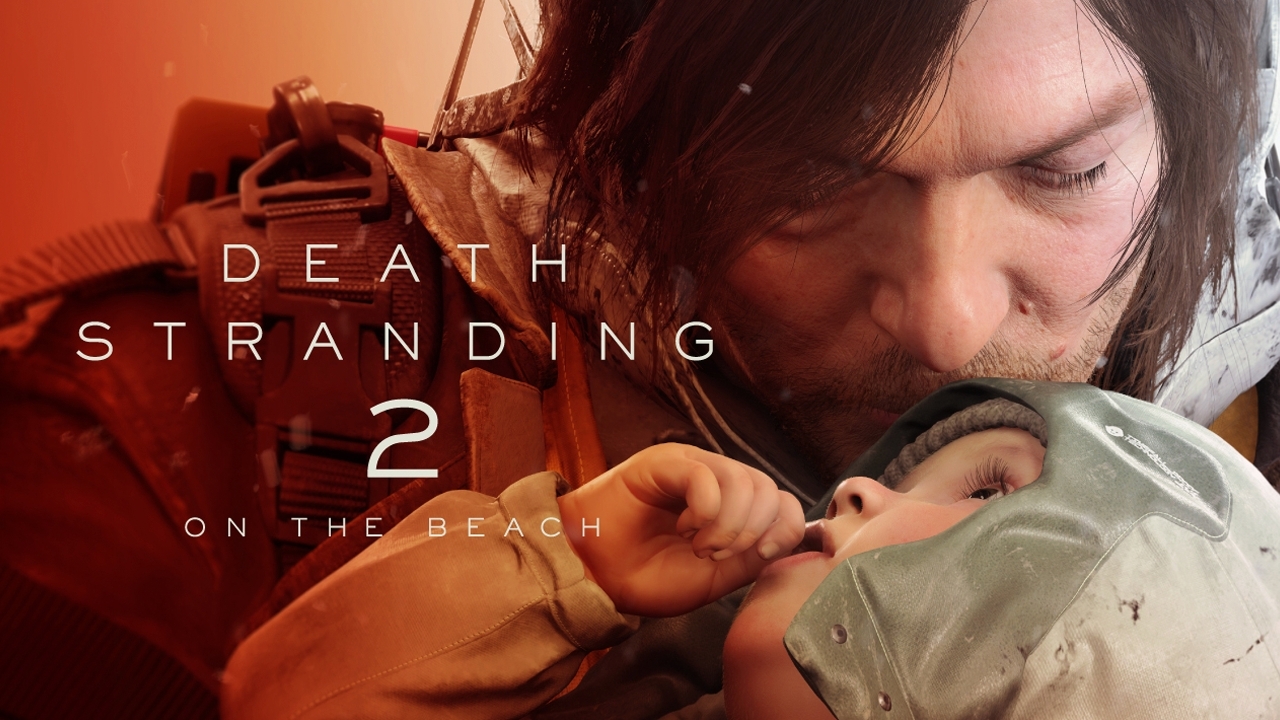


Hideo Kojima has always pushed the boundaries of what a digital environment can convey, but the PC release of Death Stranding 2: On the Beach suggests that hardware limitations were the only thing holding his vision back. While the initial conversation surrounding the sequel focused on its "walking simulator" roots, the jump to PC has reframed the experience as a masterclass in atmospheric horror and technical fidelity. With the introduction of 120 FPS support and platform-exclusive enhancements, the journey of Sam Porter Bridges has evolved from a meditative trek into a visceral, high-fidelity nightmare that demands the highest possible specs.
For a game so focused on the granular details of terrain—every loose pebble and rushing stream—the move to higher frame rates is transformative. Reports from the PC launch confirm that the jump to 120 FPS isn’t just a vanity metric; it fundamentally alters the physics-based movement that defines the series. The added fluidity makes navigating the treacherous landscapes of the "On the Beach" expansion feel more responsive, reducing the friction of the controversial movement mechanics. When Sam stumbles or struggles against the wind, the high-refresh-rate feedback allows for more precise corrections, turning what was once a source of frustration for some into a rewarding test of skill. This technical headroom, combined with ultra-wide support, elevates the game’s scale, making the hauntingly beautiful vistas feel truly infinite.
While the first game flirted with the uncanny, Death Stranding 2 leans much more heavily into its horror elements. The PC version amplifies this shift through improved lighting and shadow depth that the console hardware simply couldn't maintain at peak performance. Critics have noted that this version positions the game as a "unique horror walking simulator," where the tension is derived not just from the narrative, but from the oppressive atmosphere of the world itself. The improved draw distances and texture streaming ensure that the grotesque BTs and the shifting sands of the beach environments remain sharp and terrifying, even from a distance. This isn't just a delivery game anymore; it’s a survival horror experience where the environment is the primary antagonist.
Perhaps the most surprising development in the PC ecosystem is the immediate impact of the modding community. The "Eclipse" mod has already become a staple for Steam Deck users, optimizing the game’s heavy assets for handheld play without sacrificing the core visual identity. This level of community-driven optimization ensures that the game remains accessible to those away from a high-end rig, proving that Kojima’s vision can be both a graphical powerhouse and a portable experience. The synergy between high-end PC features and handheld versatility marks a significant milestone for the franchise, allowing players to choose between raw power and the convenience of "on-the-go" deliveries.
The Society for Game Cinematics recently recognized the title for its narrative presentation, and the PC version is clearly the intended canvas for this artistry. By removing the shackles of fixed hardware, the PC port allows the star-studded cast and the intricate motion capture to shine with a clarity that feels closer to cinema than traditional gaming. Between the 120 FPS capabilities and the refined asset quality, Death Stranding 2 on PC stands as a testament to the idea that technical performance is the bedrock of immersion. For those who skipped the console launch or were waiting for the "ultimate" version, the wait has clearly paid off.

Comentarios
Rellena el formulario de arriba para dejar un comentario