
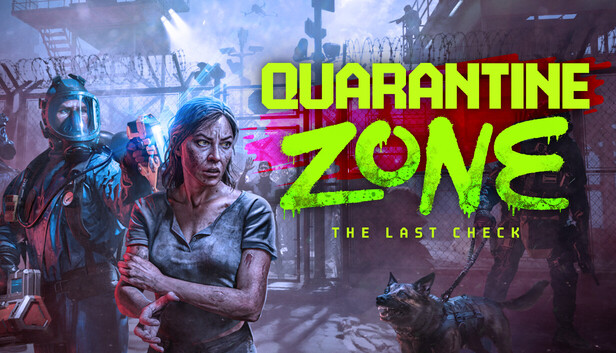


For the past year, you couldn't scroll through "Gaming TikTok" without stumbling upon a grainy, hyper-realistic clip of a survivor navigating a claustrophobic tunnel, usually accompanied by the caption: "What game is this?" That game, we now know, is Quarantine Zone: The Last Check. After months of viral teasing and speculation about whether the gameplay could match the visuals, the title has officially launched on Steam and, crucially, arrived on PC Game Pass. The release confirms that developer Todes isn't just selling a visual filter; they are attempting to carve out a niche in the crowded extraction shooter market by leaning heavily into simulation mechanics and PvE tension.
The transition from a vertical slice on social media to a playable product is often where indie titles stumble, but Quarantine Zone seems to be sticking the landing by managing expectations. While the visual fidelity—mimicking the trendy "bodycam" perspective seen in titles like Unrecord—remains the hook, the gameplay loop revealed at launch is far more methodical than the chaotic trailers suggested.
As noted in PC Gamer’s hands-on impressions, this isn't a run-and-gun zombie blaster. It is a simulation. The physics are weighty, movement is deliberate, and combat is desperate. The most telling detail from the launch build is the inclusion of a "large medical hammer" as a primary defense tool. This isn't just a quirky weapon choice; it illustrates the game's commitment to physical, crunching combat over arcade shooting. You aren't mowing down hordes; you are frantically trying to create space between you and the infected using whatever blunt force is available. This shift toward "sim" mechanics means players expecting a Left 4 Dead clone might be in for a rude awakening, but fans of Tarkov or DayZ will feel right at home with the friction.
The core structure of The Last Check revolves around the extraction formula: enter a zone, scavenge for resources, complete objectives, and get out before you’re overwhelmed. However, unlike the genre titans that rely on the threat of other players to generate tension, Quarantine Zone focuses entirely on environmental storytelling and PvE threats.
The launch trailer and early gameplay emphasize the "Last Check" aspect of the title. You are navigating zones that feel abandoned and bureaucratic, filled with the detritus of a failed containment effort. The tension comes from resource scarcity and the oppressive atmosphere rather than the fear of a sniper across the map. This is a smart pivot. By removing the PvP element, Todes allows players to immerse themselves in the horror elements—the flickering lights, the spatial audio of groans behind a door—without the frustration of being one-shotted by a meta-gaming veteran. It turns the extraction genre into a survival horror experience rather than a competitive shooter.
Perhaps the most significant piece of news regarding the launch is the game’s immediate availability on PC Game Pass. For an indie title with high graphical demands and a distinct, somewhat niche gameplay loop, this is a massive boon. As reported by Insider Gaming, the title hit the service around January 12, giving it a massive potential install base right out of the gate.
Quarantine Zone: The Last Check has successfully made the jump from social media concept to tangible product. While the "sim" elements—clunky inventory management and heavy movement—might alienate the casual crowd looking for a zombie shooting gallery, the atmospheric density is undeniable. By launching on Game Pass, the developers have ensured that their viral experiment gets the widest possible testing ground. The question now is whether the content roadmap can keep pace with the initial intrigue, but for now, the hammers are swinging, and the extraction chopper is waiting.




Σχόλια
Συμπληρώστε την παραπάνω φόρμα για να αφήσετε ένα σχόλιο