
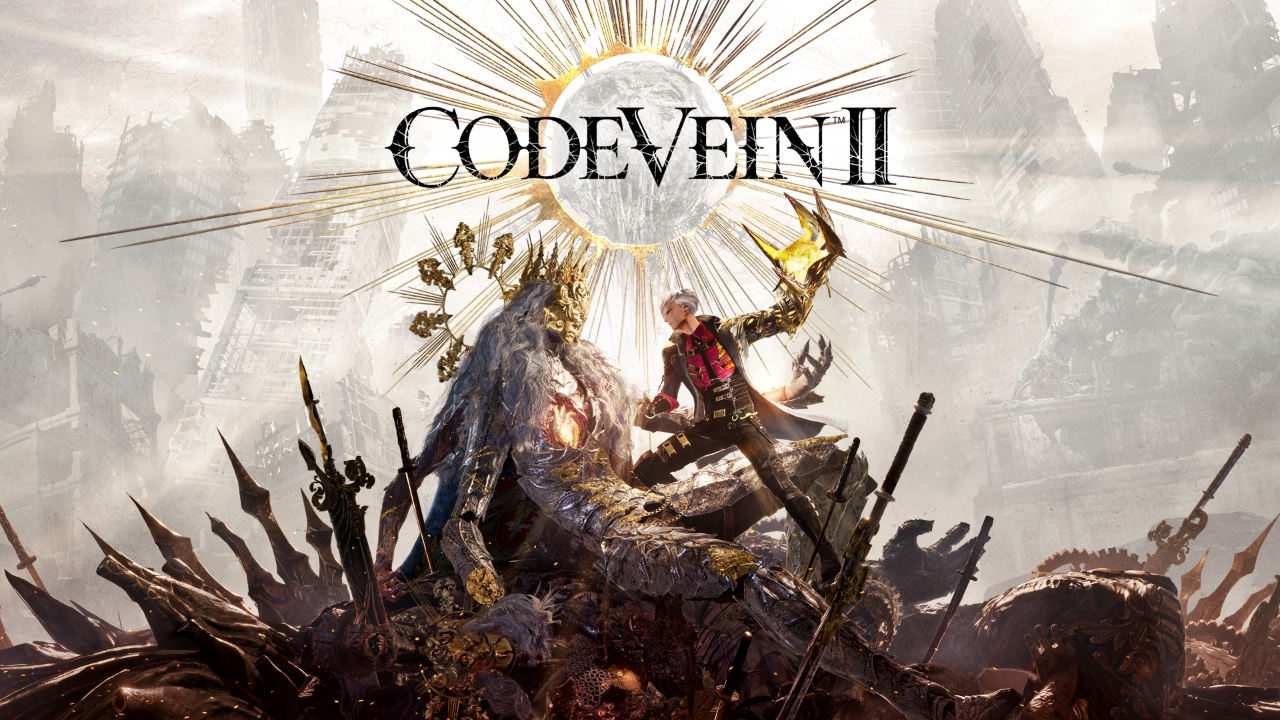


The wait for Code Vein II has officially ended, with Bandai Namco finally unleashing the sequel to their cult-classic "Anime Souls" action RPG. The release brings a flood of new content, a significantly darker narrative tone, and a refinement of the mechanics that made the original stand out in a crowded genre. However, the launch conversation has become a double-edged sword: while the gameplay loop and accessibility features are receiving high praise, the technical presentation is being torn apart by the community. It is a game of extreme highs and puzzling lows, delivering a satisfying combat experience wrapped in a package that feels stuck in the past.
If there is one area where Code Vein II undeniably succeeds, it is in its commitment to the "Buddy" system. According to a deep dive by TechPowerUp, Bandai Namco hasn’t just brought back AI partners; they have completely re-engineered how they function. In the first game, partners were helpful distractions. Here, they are tactical necessities. The developer breakdown highlights a new synergy mechanic where players can execute synchronized attacks that strip enemy resistances, forcing you to pay attention to your ally's positioning rather than just using them as a meat shield.
This evolution is critical because it separates Code Vein II from its FromSoftware inspirations. You aren’t a lone wanderer here; you are part of a squad. The interplay between your chosen "Blood Code" (class) and your partner’s abilities creates a layer of strategy that feels fresh. It isn't just about dodging and hitting; it’s about managing aggro and timing dual-techs, a feature that feels like a direct response to fans who wanted more agency in how they utilized the cast.
Perhaps the most surprising—and welcome—development is the game's approach to difficulty and inclusion. As noted by ComicBook.com, Code Vein II is setting a "new standard for accessibility in Soulslike games." This is a genre notorious for gatekeeping, yet the sequel introduces granular difficulty toggles and assist modes that allow players to fine-tune the challenge without trivializing the mechanics. This aligns with Bandai Namco’s pre-release messaging about wanting players to experience the story without hitting a brick wall, proving that challenge and accessibility are not mutually exclusive concepts.
Unfortunately, the goodwill earned by the combat design is currently buckling under the weight of the game's visual fidelity. As reported by GamingBible, the community reaction has been swift and harsh, with players "roasting" the game for sporting what they call "PS3-era graphics." While hyperbole is common in internet discourse, there is truth to the criticism. The textures often look muddy, and the lighting lacks the dynamic depth we expect from current-gen hardware.
This visual stagnation is baffling considering the darker, grittier art direction highlighted in recent trailers. A report from DLCompare pointed out the shift toward a more mature, horror-infused atmosphere, but that artistic intent is often undermined by flat environments and stiff facial animations. For a game released in 2026, the lack of polish is a distraction that pulls players out of an otherwise immersive world.
The technical stumbles aren’t limited to aesthetics. For the handheld enthusiast crowd, the news is even grimmer. SteamDeckHQ has issued a stern advisory that Code Vein II "should not be played on Steam Deck" in its current state. The report cites severe frame rate drops and stability issues that render the game nearly unplayable on portable hardware. Given how well the original Code Vein eventually ran on lower-end hardware, this optimization failure suggests the engine is struggling to keep up with the expanded scope of the sequel.
Code Vein II is a frustratingly brilliant game. It offers some of the best combat loops and accessibility options in the genre, finally realizing the potential of the partner system. Yet, it asks players to overlook significant technical shortcomings. If you are here for the deep theory-crafting and the "Anime Souls" aesthetic, there is plenty to love. But if you were hoping for a technical showcase or a smooth portable experience, you might want to wait for the inevitable patch cycle.


Σχόλια
Συμπληρώστε την παραπάνω φόρμα για να αφήσετε ένα σχόλιο